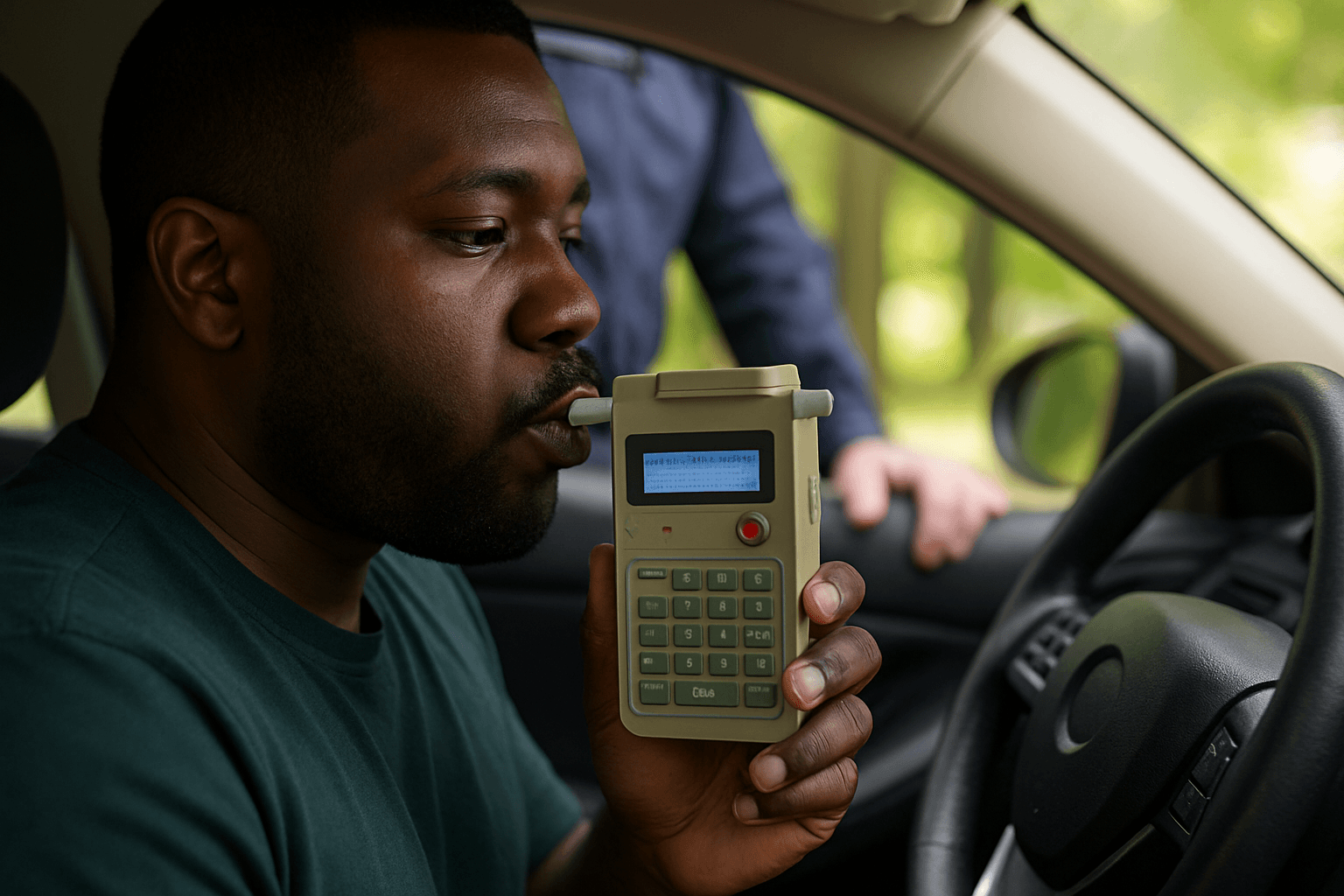
Virginia law classifies first-offense driving on a suspended license as a Class 1 misdemeanor carrying up to 12 months jail, a $2,500 fine, and an additional year of suspension stacked on top of your original cause. Most judges exercise discretion on jail time, but the exposure is real.
What Criminal Penalty Does Virginia Law Authorize for First-Offense DWLS
Virginia Code § 46.2-301 classifies first-offense driving on a suspended license as a Class 1 misdemeanor. The statutory range permits up to 12 months in jail and a fine up to $2,500. There is no mandatory minimum jail sentence for first offense under state law.
Most judges in Virginia circuit and general district courts exercise discretion on jail time for first-offense DWLS when the underlying suspension was for unpaid fines, points accumulation, or insurance lapse. Jail sentences are more common when the original suspension stemmed from DUI, multiple prior DUIs, or reckless driving. Prosecutors frequently use the 12-month ceiling as leverage during plea negotiations to secure guilty pleas to lesser charges or to impose suspended sentences with probation conditions.
The fine component is separate from the jail exposure. Courts typically impose fines in the $250 to $500 range for first offense, but the statutory ceiling of $2,500 remains available. Court costs and fees add another $100 to $300 on top of the fine itself.
How Virginia Stacks Administrative Suspension Time After a DWLS Conviction
A DWLS conviction in Virginia triggers an additional one-year suspension period imposed by the DMV under § 46.2-301(B). This suspension period is added on top of whatever time remained on your original suspension. The original suspension clock does not pause while you serve the new DWLS suspension.
If you were caught driving during the first month of a six-month points-based suspension, you now face seven months total: the remaining five months from the original suspension plus the full 12 months from the DWLS conviction. The DMV processes the DWLS suspension administratively after receiving the court conviction record. You do not get credit for time already served on the original suspension.
Virginia's multi-tier suspension framework means the DWLS conviction becomes part of your permanent DMV record. A second DWLS conviction within 10 years escalates the administrative consequences substantially, including longer suspension periods and loss of eligibility for restricted driving privileges.
Compare car insurance rates in your state
Get quotes from licensed carriers — no obligation, no spam, results in minutes.
Get Your Free Quote✓ No Obligation Required✓ Licensed Carriers Only✓ Available Nationwide✓ Free to Compare
Why Restricted License Eligibility Becomes Harder After DWLS
Virginia allows judges to issue restricted licenses for certain suspension types through a court petition process. After a DWLS conviction, courts become significantly less willing to grant restricted driving privileges because the offense demonstrates you violated the original suspension order.
The restricted license petition process requires you to demonstrate hardship and compliance with all original suspension conditions. If your DWLS occurred while you were supposed to be serving a hard suspension period for DUI, most judges will deny the petition outright. If the original suspension was for unpaid fines or insurance lapse and you have since resolved those issues, some judges will consider restricted privileges after you serve a portion of the stacked suspension period.
Restricted license petitions after DWLS require proof of insurance meeting Virginia's FR-44 filing requirements if the original suspension was DUI-related, or SR-22 filing for most other causes. The DWLS conviction itself now triggers SR-22 requirements even if your original suspension did not. You must maintain this high-risk filing for the entire restricted license period and typically for one to three years after full reinstatement.
What FR-44 and SR-22 Filing Differences Mean for Your Insurance Cost
Virginia is one of only two states requiring FR-44 certificates for DUI-related suspensions. FR-44 mandates liability coverage of 50/100/40 compared to Virginia's standard minimum of 25/50/20. If your original suspension was DUI and you now have a DWLS conviction on top, you face FR-44 requirements with significantly higher premium costs.
Carriers treat DWLS as a heavier underwriting flag than the original suspension cause. A DUI alone might increase your premium by 80 to 120 percent. Adding a DWLS conviction on top typically pushes the increase to 150 to 200 percent over clean-record rates. Monthly premiums for FR-44 coverage after DUI plus DWLS typically range from $180 to $320 per month depending on age, county, and carrier.
For non-DUI suspensions, Virginia requires SR-22 filing after a DWLS conviction. SR-22 premiums are lower than FR-44 but still represent substantial increases over standard coverage. Expect monthly costs of $110 to $190 for SR-22 liability-only coverage after DWLS. The filing must remain active for one to three years depending on your original suspension cause and whether you have prior violations.
How the Criminal Defense Decision Affects Your DMV Outcome
Hiring a traffic defense attorney for your DWLS charge directly affects both the criminal penalty and the administrative suspension length. Attorneys negotiate with prosecutors to reduce charges, seek suspended jail sentences with probation instead of active jail time, and in some cases secure amendments to lesser violations that carry shorter DMV suspension penalties.
A reduction from DWLS under § 46.2-301 to a lesser charge such as driving without a license in possession can eliminate the additional one-year DMV suspension entirely. Not all prosecutors will offer this reduction, especially if your DWLS involved an accident, multiple priors, or occurred during a DUI-related suspension. Defense counsel costs typically range from $500 to $1,500 for misdemeanor DWLS representation depending on jurisdiction and case complexity.
If you proceed without counsel and plead guilty at arraignment, the judge imposes the sentence immediately and the DMV receives the conviction record within days. You lose the opportunity to negotiate the charge or the sentence structure. For first offense with no aggravating factors, some defendants successfully represent themselves and receive suspended sentences. For second offense or DUI-underlying cases, proceeding without counsel is substantially riskier.
What Full Reinstatement Costs After Serving Both Suspension Periods
Virginia DMV charges a $145 base reinstatement fee after most suspension types. After a DWLS conviction, you must pay this fee to lift the DWLS suspension and may owe a separate reinstatement fee for the original suspension cause if those requirements were not completed before the DWLS arrest.
If your original suspension was DUI-related, you must complete Virginia's Alcohol Safety Action Program before reinstatement. ASAP enrollment costs approximately $250 to $300, and the program duration ranges from 10 to 20 weeks depending on your assessment. Failing to complete ASAP or violating program terms while holding a restricted license results in immediate revocation of restricted privileges and extends your full reinstatement timeline.
Total out-of-pocket costs for reinstatement after DWLS typically include: criminal defense attorney ($500 to $1,500), court fines and costs ($350 to $800), DMV reinstatement fees ($145 to $290 if paying for both the original suspension and the DWLS suspension separately), SR-22 or FR-44 insurance premiums over the filing period ($3,960 to $11,520 total for a three-year filing period), and ASAP program fees if applicable ($250 to $300). The cumulative financial impact over the reinstatement period ranges from $5,200 to $14,400 depending on your specific suspension causes and filing duration.