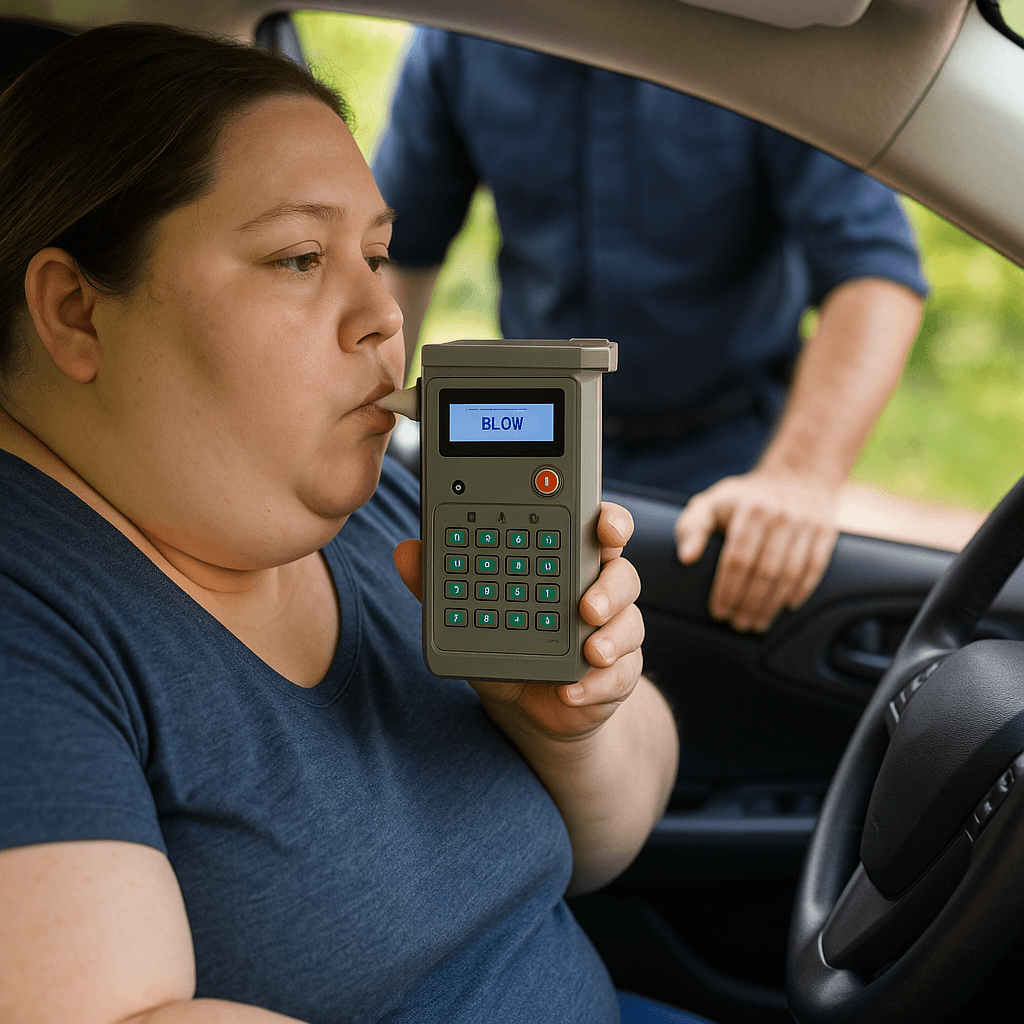
Missouri treats driving while suspended as a Class A misdemeanor for first offenses, but second and subsequent offenses escalate to Class D or Class E felonies with mandatory minimums and extended suspension stacking. The classification depends on what caused your original suspension.
How Missouri Classifies Driving While Suspended Charges
Missouri defines driving while suspended under RSMo 302.321. Your first DWLS conviction is a Class A misdemeanor carrying up to one year in county jail and fines up to $2,000. The statute does not distinguish by original suspension cause for first offenses.
Second and subsequent DWLS convictions escalate differently based on what triggered your original suspension. If your license was suspended or revoked for DUI, BAC refusal, or leaving the scene of an accident, your second DWLS becomes a Class D felony under RSMo 302.321.1(4). That carries 1 to 7 years in prison. If your suspension was for points, unpaid fines, failure to appear, or insurance lapse, you need three total DWLS convictions before reaching Class E felony status.
Judges have discretion on sentencing for Class A misdemeanors. Jail is not mandatory for first offenses, but some counties impose automatic detention for DWLS arrests made during traffic stops. The Missouri Department of Revenue (DOR) Driver License Bureau runs parallel administrative sanctions: a DWLS conviction triggers an additional suspension period stacked on top of your original suspension, typically one year for first offense, two years for second.
Why DUI-Suspension DWLS Cases Escalate Faster
Missouri's escalation framework treats alcohol-related suspensions as higher-risk categories. If your original suspension was for DUI conviction, BAC test refusal under implied consent (RSMo 577.041), or leaving an injury accident, the second time you're caught driving counts as a Class D felony. You do not get a third misdemeanor chance.
This structure reflects Missouri's legislative view that driving on a DUI suspension signals higher recidivism risk. The practical consequence: defendants with DUI-based suspensions face steeper criminal penalties and longer incarceration exposure on the second DWLS than drivers suspended for administrative causes like points or fines. Prosecutors use this distinction to negotiate plea deals. Defense counsel often argue for charge reduction to avoid felony record, but circuit attorneys in St. Louis and Kansas City counties rarely offer misdemeanor pleas on second-offense DUI-suspension DWLS cases.
The administrative consequence is separate. The DOR extends your suspension an additional two years for second-offense DWLS regardless of original cause. That suspension runs consecutive to your original period, not concurrent. If you had one year remaining on a DUI suspension when arrested for DWLS, you now serve that year plus two more.
Compare car insurance rates in your state
Get quotes from licensed carriers — no obligation, no spam, results in minutes.
Get Your Free Quote✓ No Obligation Required✓ Licensed Carriers Only✓ Available Nationwide✓ Free to Compare
Limited Driving Privilege Availability After DWLS Conviction
Missouri allows Limited Driving Privilege (LDP) petitions through circuit courts under RSMo 302.309. The statute does not explicitly prohibit LDP after DWLS conviction, but judges deny most petitions when the applicant drove illegally during suspension. Courts view DWLS as evidence the driver will not comply with LDP restrictions.
If you petition for LDP after a DWLS conviction, expect the circuit attorney to oppose. The court requires proof of SR-22 insurance, ignition interlock device installation verification (if your original suspension was DUI-related), and documentation of employment or medical need. The judge has full discretion to deny. Some Missouri counties maintain informal policies denying LDP for any DWLS within the past 12 months.
HB 2110 (2019) created an immediate LDP pathway for first-offense DWI drivers who install ignition interlock, but that provision does not override judicial discretion to deny LDP based on DWLS history. If your LDP petition is denied, you serve the full stacked suspension period with no legal driving authorization. That period is typically the original suspension remaining balance plus the DWLS-triggered extension, running consecutively.
SR-22 Filing Requirement and Extended Duration
Missouri requires SR-22 proof of financial responsibility for most DWLS convictions, even when your original suspension cause did not require SR-22. The DOR triggers SR-22 filing as a reinstatement condition under RSMo 303.025 when the suspension involved uninsured operation, DUI, or DWLS conviction.
The filing period starts when you reinstate, not when you're convicted. If you're convicted of DWLS but cannot reinstate for two years due to stacked suspension periods, your SR-22 clock does not start until reinstatement is granted. Missouri typically requires two years of continuous SR-22 filing for DWLS convictions. If your SR-22 lapses during that period, the DOR suspends your license again and the two-year clock resets.
Carriers view DWLS as a higher underwriting risk than the original suspension cause. A driver suspended for points who then commits DWLS signals noncompliance risk. Expect premium increases in the range of $140 to $240 per month for SR-22 liability coverage after DWLS, higher than the $85 to $140 range typical for clean-record SR-22 filers. Non-owner SR-22 policies are available if you no longer own a vehicle, but the DOR still requires continuous filing for the full two-year period.
Reinstatement Process and Cost Stacking
Reinstatement after DWLS conviction requires resolving the criminal charge first. You cannot reinstate while criminal proceedings are pending. Once convicted or pleaded, you serve the stacked suspension period, then apply for reinstatement through the Missouri DOR Driver License Bureau.
The base reinstatement fee is $20 for standard suspensions, but alcohol-related revocations carry a $45 fee. If your original suspension was DUI-related, you pay the higher fee. SATOP (Substance Awareness Traffic Offender Program) completion is mandatory before reinstatement for any alcohol or drug-related suspension. SATOP adds $200 to $500 depending on assigned level.
SR-22 filing fees range from $15 to $50 depending on carrier. You pay that fee annually for two years. Ignition interlock device installation and monthly monitoring fees apply if your original suspension was DUI-related, adding approximately $75 to $150 per month. Total reinstatement cost for a DWLS conviction on top of a DUI suspension: $2,500 to $4,000 over the suspension and filing period, not including attorney fees for the DWLS criminal defense.
Insurance Carrier Response to DWLS Convictions
Most standard-tier carriers (State Farm, Allstate, Nationwide) non-renew policies after DWLS conviction. The violation signals noncompliance risk that exceeds underwriting guidelines. You'll need coverage from non-standard carriers that specialize in high-risk drivers.
SR-22 coverage after DWLS is available through carriers like Progressive, Geico, Dairyland, Bristol West, The General, GAINSCO, and National General. These carriers file SR-22 electronically with the Missouri DOR and maintain continuous-filing guarantees required to avoid reinstatement complications. Expect six-month policy terms with higher premiums front-loaded.
Some drivers attempt to secure coverage by omitting the DWLS conviction on applications. Missouri carriers run MVR checks at policy inception and renewal. When the DWLS appears, the carrier voids the policy retroactively and reports the cancellation to the DOR. That triggers another suspension for driving uninsured, adding a third suspension layer. Honest disclosure at application produces better long-term outcomes than omission strategies.
What Happens If You're Caught Driving During the Stacked Suspension
A third DWLS conviction while serving a stacked suspension from a second DWLS elevates the charge to Class E felony under RSMo 302.321 for non-DUI suspensions, or remains Class D felony for DUI-suspension cases. Judges view repeat DWLS during active suspension as contempt of court orders and loss of LDP eligibility.
Circuit courts in Missouri have authority to impose probation conditions that include vehicle impoundment, ignition interlock on any vehicle you access, and electronic home monitoring. Some counties use ankle monitors for third-offense DWLS defendants as alternative to incarceration. The DOR extends suspension an additional two to three years for each subsequent DWLS conviction, with no statutory cap on total suspension duration.
Defense strategy for multiple DWLS charges focuses on demonstrating necessity (job loss, medical emergency transport) and securing treatment diversion programs where available. Missouri's 22nd Judicial Circuit (St. Louis City) operates a compliance docket for suspended drivers that can result in charge reduction if you complete reinstatement requirements during case pendency. Not all counties offer this option.