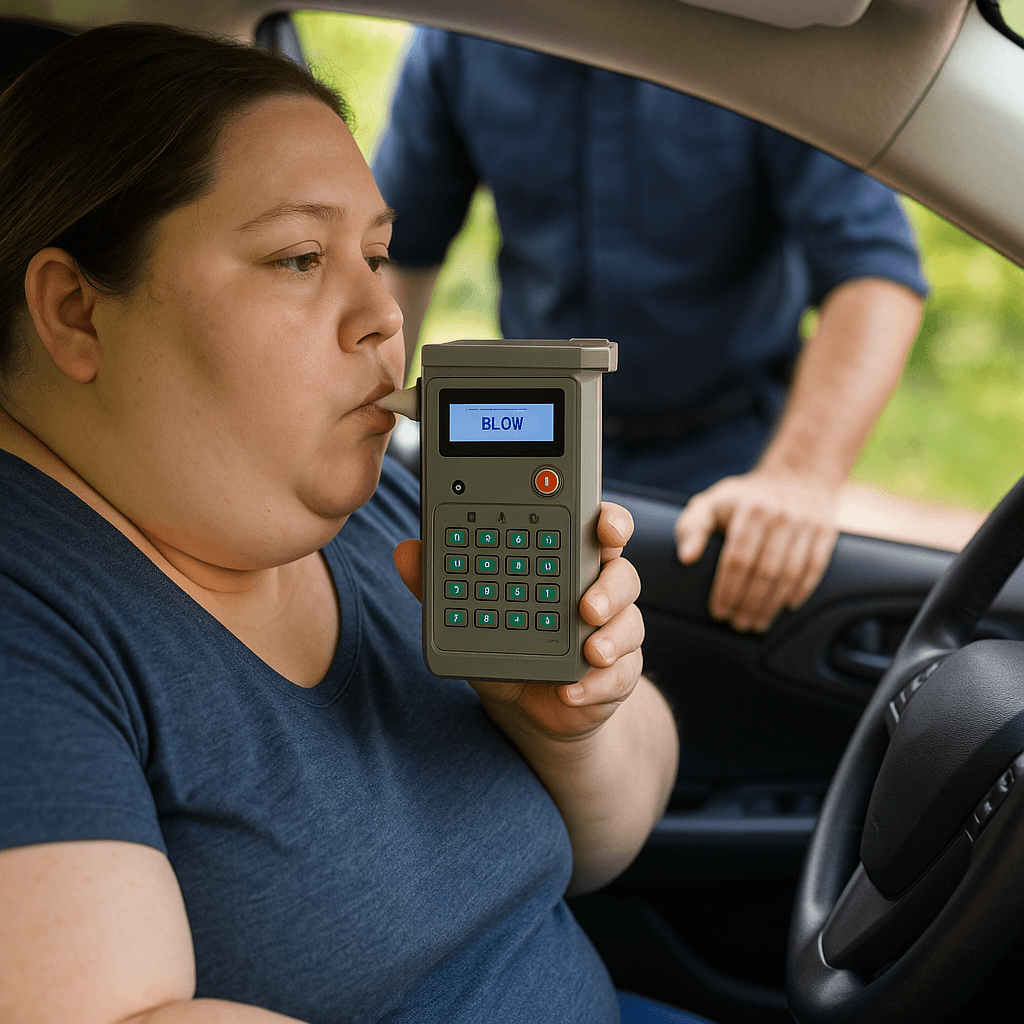
Indiana charges DWLS as a Class A misdemeanor on first conviction, but elevates to Level 6 felony when your license was suspended for OWI or if you have prior DWLS convictions. The tier determines jail exposure and whether specialized driving privileges remain available.
Indiana DWLS Classification: Original Suspension Cause Controls the Tier
Indiana statute IC 9-24-19-2 structures Driving While Suspended (DWLS) charges on a two-tier model: Class A misdemeanor for first-time offenses where the underlying suspension was NOT OWI-related, and Level 6 felony where the original suspension stemmed from OWI conviction, habitual traffic violator (HTV) status, or when you already have a prior DWLS conviction on record. This means two drivers caught on the same day for the same behavior face dramatically different criminal exposure depending solely on what triggered their original suspension.
Most drivers assume DWLS severity is determined by how many times they've been caught driving suspended. Indiana law reverses that logic. If your license was suspended for unpaid tickets, points accumulation, or insurance lapse, your first DWLS is Class A misdemeanor—up to one year county jail and $5,000 fine. If your license was suspended for OWI under IC 9-30-5, your first DWLS is automatically Level 6 felony—six months to two and a half years Indiana Department of Correction and up to $10,000 fine. The prior-conviction count matters only after the initial tier is set.
IC 9-24-19-2.5 creates the felony tier explicitly for OWI-suspended drivers and habitual violators. Prosecutors do not have discretion to reduce felony DWLS to misdemeanor without amending the underlying facts. Defense counsel in these cases typically negotiate for suspended sentences, probation with work-release provisions, or pre-trial diversion where available, but the felony classification itself remains unless the BMV suspension record can be challenged successfully.
How Prior DWLS Convictions Escalate Charges Regardless of Original Cause
Once you have a DWLS conviction on record in Indiana, any subsequent DWLS charge elevates to Level 6 felony under IC 9-24-19-2(b), regardless of what caused the current suspension. A driver whose license was suspended for unpaid tickets (non-OWI) gets Class A misdemeanor on the first DWLS catch. If convicted and later caught driving suspended again—even if the new suspension is still for unpaid tickets—the second charge is felony.
Indiana courts treat DWLS priors as permanently elevating factors. A DWLS conviction from five years ago still triggers felony classification on a new DWLS charge today, even if the driver has since reinstated, driven legally for years, and then faced a new suspension for an unrelated cause. The statute does not include a washout period or look-back window. Prior DWLS convictions remain on Indiana BMV driving records indefinitely and appear in prosecutor case filings.
This structure creates compounding consequences for drivers who drive suspended out of necessity. The first conviction moves you into the felony tier for life. Most drivers do not realize this until they are arrested the second time and face a far harsher charge than they expected. Defense strategy at the misdemeanor stage becomes critical—negotiating for reduced charges, deferred prosecution, or alternative sentencing to avoid a conviction that permanently elevates future exposure.
Compare car insurance rates in your state
Get quotes from licensed carriers — no obligation, no spam, results in minutes.
Get Your Free Quote✓ No Obligation Required✓ Licensed Carriers Only✓ Available Nationwide✓ Free to Compare
Jail Exposure at Each Tier and What Judges Actually Impose
Class A misdemeanor DWLS carries up to one year county jail, but actual sentences on first conviction typically range from time served (if arrested) to 30-90 days suspended with probation conditions. Judges in Marion, Lake, and Allen counties routinely impose work-release or weekend-only jail terms for employed defendants with no accident or injury involved. Probation conditions almost always include immediate license reinstatement efforts, SR-22 filing, and continued proof of employment or hardship need.
Level 6 felony DWLS carries six months to two and a half years Indiana Department of Correction. First-time felony DWLS sentences (OWI-suspended drivers with no prior DWLS) typically result in one-year suspended sentences with two years reporting probation, conditioned on completing substance abuse programs, maintaining SR-22, and not driving until fully reinstated. Judges have discretion to impose split sentences—partial incarceration followed by probation. Repeat felony DWLS or DWLS with accident involvement often results in executed time in county jail or DOC placement.
Employment, family support obligations, and lack of viable alternatives (no public transit, rural county) are mitigating factors Indiana judges consider at sentencing. Documented attempts to obtain Specialized Driving Privileges before the arrest, proof of SR-22 filing, and enrollment in reinstatement-required courses strengthen defense arguments for probation over incarceration. Drivers arrested while transporting children to school or driving to work have better sentencing outcomes than those arrested during recreational driving or late-night stops.
Specialized Driving Privileges After DWLS: Rarely Granted, Heavily Restricted
Indiana calls hardship licenses Specialized Driving Privileges (SDP), governed by IC 9-30-16 for OWI cases and granted by petition to circuit or superior court. After a DWLS conviction, Indiana judges almost never grant SDP during the new suspension period stacked on top of the original. The BMV views DWLS as proof you violated restricted-use terms or drove without authorization, which disqualifies you from the trust-based framework SDP depends on.
If your DWLS was charged as Class A misdemeanor (non-OWI underlying cause), you may petition for probationary driving privileges through the BMV under IC 9-30-4, but approval requires court consent, documented hardship (employment, medical, education), and SR-22 filing. The BMV denial rate for DWLS offenders exceeds 60% statewide because the conviction itself signals noncompliance risk. Petitions succeed most often when the driver can prove they did not understand their suspension was active (BMV notice failure) or when the suspension was administrative and later overturned on appeal.
For OWI-suspended drivers who commit felony DWLS, SDP is functionally closed until both the OWI suspension and the DWLS-added suspension periods expire. Indiana statute imposes mandatory waiting periods before SDP eligibility after OWI conviction—30 days hard suspension for first OWI under IC 9-30-5-4, longer for refusal or high BAC. A DWLS conviction during that waiting period restarts the clock. Ignition interlock is required for any SDP granted after OWI suspension, and the device must remain installed for the full SDP term plus any additional BMV-mandated period.
Additional Suspension Time Stacked by DWLS Conviction
Indiana BMV stacks a new suspension period on top of your original suspension once a DWLS conviction is entered. The added suspension length varies by tier and BMV administrative rules, but typical additions are 90 days for Class A misdemeanor DWLS and 180 days to one year for Level 6 felony DWLS. These periods run consecutively, not concurrently, meaning your total time without driving privileges extends by the full added term.
The stacked suspension begins after the original suspension would have ended, unless the original suspension was still active at the time of conviction, in which case both run back-to-back from conviction date. Drivers whose original suspension was for OWI (3 years SR-22 filing, 90-180 days hard suspension) face the longest total periods—original OWI suspension plus DWLS-added suspension, all before reinstatement eligibility begins. A driver with first OWI (180-day administrative suspension) who commits felony DWLS 60 days into that term faces approximately 120 days remaining on OWI suspension plus 180-365 days DWLS-added suspension, totaling 10-16 months before reinstatement application is accepted.
Reinstatement fees also stack. Indiana's base reinstatement fee is $250 for administrative suspensions under IC 9-29-8. OWI-related reinstatements carry $500 fees under IC 9-30-10-16. DWLS convictions trigger separate reinstatement fees ranging $150-$500 depending on conviction tier and whether HTV designation applies. Total reinstatement cost for a driver with OWI suspension plus felony DWLS conviction can exceed $1,000 before SR-22 filing costs and insurance premiums are added.
SR-22 Filing Requirement and Why DWLS Makes It Mandatory
Indiana BMV requires SR-22 proof of financial responsibility after DWLS conviction regardless of whether your original suspension cause required SR-22. IC 9-25-4-7 mandates SR-22 for drivers convicted of operating a vehicle while their driving privileges were suspended or revoked. This applies to both misdemeanor and felony DWLS tiers. The filing period is typically three years from reinstatement date, but BMV extends the period to five years for drivers with multiple DWLS convictions or HTV status.
SR-22 is not insurance—it is a certificate your insurance carrier files electronically with the Indiana BMV proving you carry at least state minimum liability coverage ($25,000 bodily injury per person, $50,000 per accident, $25,000 property damage). The carrier charges a one-time filing fee ($15-$50 depending on carrier) and must notify BMV immediately if your policy cancels or lapses. If coverage lapses during the SR-22 period, BMV suspends your license again automatically, and you must refile SR-22 and pay a new reinstatement fee to restore privileges.
Insurance premiums after DWLS conviction are substantially higher than premiums after the original suspension cause alone. Carriers view DWLS as an underwriting signal that you drove uninsured or violated legal restrictions, which places you in high-risk or non-standard auto insurance pools. Drivers with OWI suspension plus DWLS conviction face premiums 150-250% higher than standard-risk drivers in Indiana. Shopping non-standard carriers that specialize in post-conviction drivers (Dairyland, The General, Bristol West, GAINSCO, Acceptance) typically produces lower quotes than attempting to remain with standard-market carriers like State Farm or Allstate after conviction.
Criminal Defense Strategy: When to Fight, When to Negotiate
DWLS charges are criminal cases requiring court appearances and offering consequences beyond license suspension alone. Class A misdemeanor DWLS creates a permanent criminal record unless expunged under IC 35-38-9. Level 6 felony DWLS creates a felony record affecting employment, housing, and firearm rights. Hiring defense counsel is strongly recommended for felony DWLS and advisable for misdemeanor DWLS where jail exposure or probation conditions would disrupt employment.
Defense strategies typically focus on three challenges: whether you had actual knowledge your license was suspended, whether the BMV suspension was procedurally valid, and whether the stop that led to the charge violated Fourth Amendment protections. Indiana requires BMV to mail suspension notices to your last address on file under IC 9-24-18-6. If BMV notice was sent to an outdated address and you never received it, prosecutors may reduce or dismiss charges. If the underlying suspension was administrative (insurance lapse, failure to pay reinstatement fees) and you can prove you satisfied the requirement before the stop, dismissal is possible.
Negotiated plea agreements for first-time Class A misdemeanor DWLS often include deferred prosecution or diversion programs where conviction is withheld pending completion of probation terms, community service, and reinstatement efforts. Completing the program results in dismissal, avoiding a permanent conviction record. Felony DWLS cases rarely qualify for diversion, but prosecutors negotiate plea reductions to misdemeanor where no accident, injury, or aggravating factors exist and where you demonstrate reinstatement progress before trial. Presenting proof of SR-22 filing, paid reinstatement fees, and scheduled BMV reinstatement hearings before plea hearings strengthens negotiation position significantly.