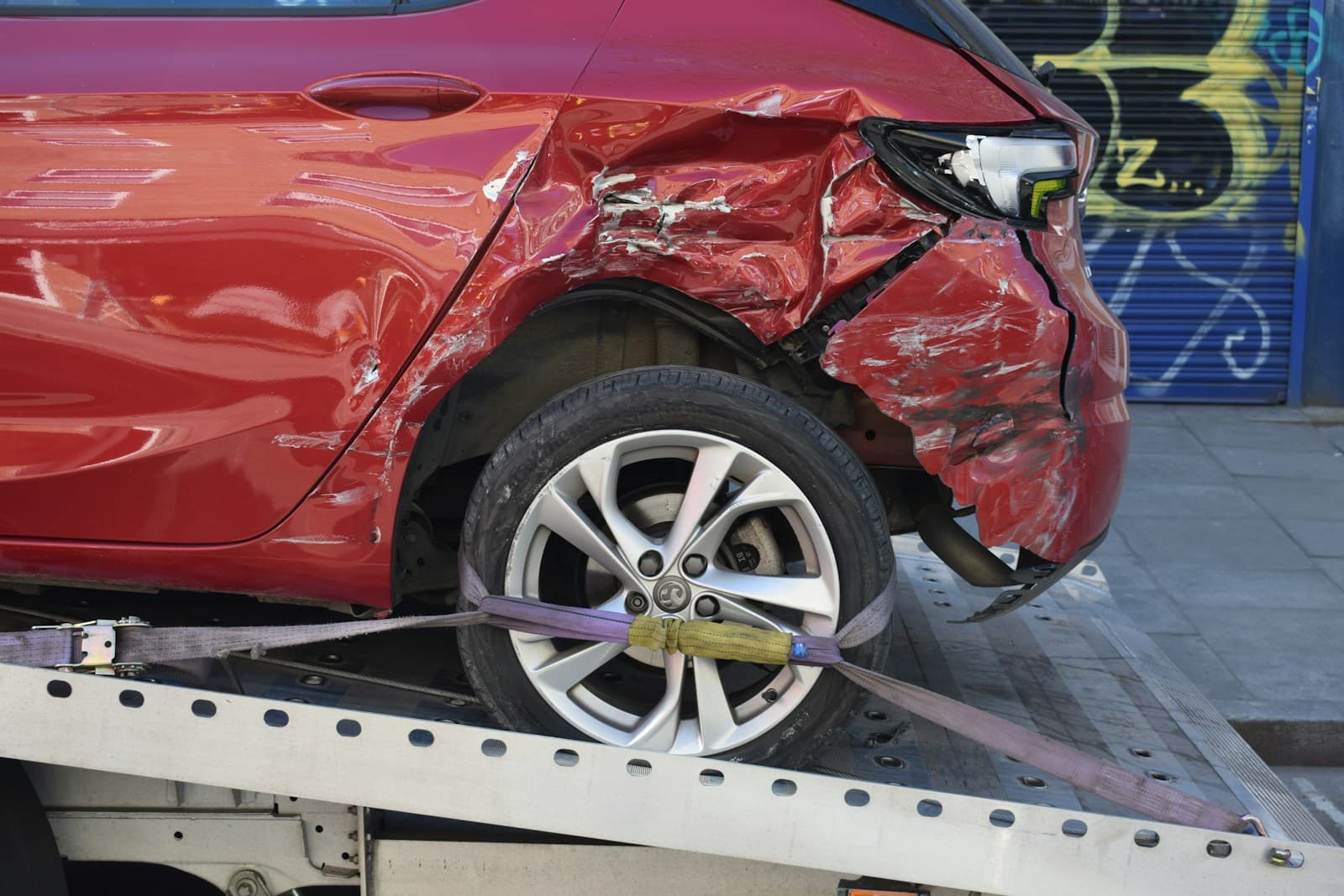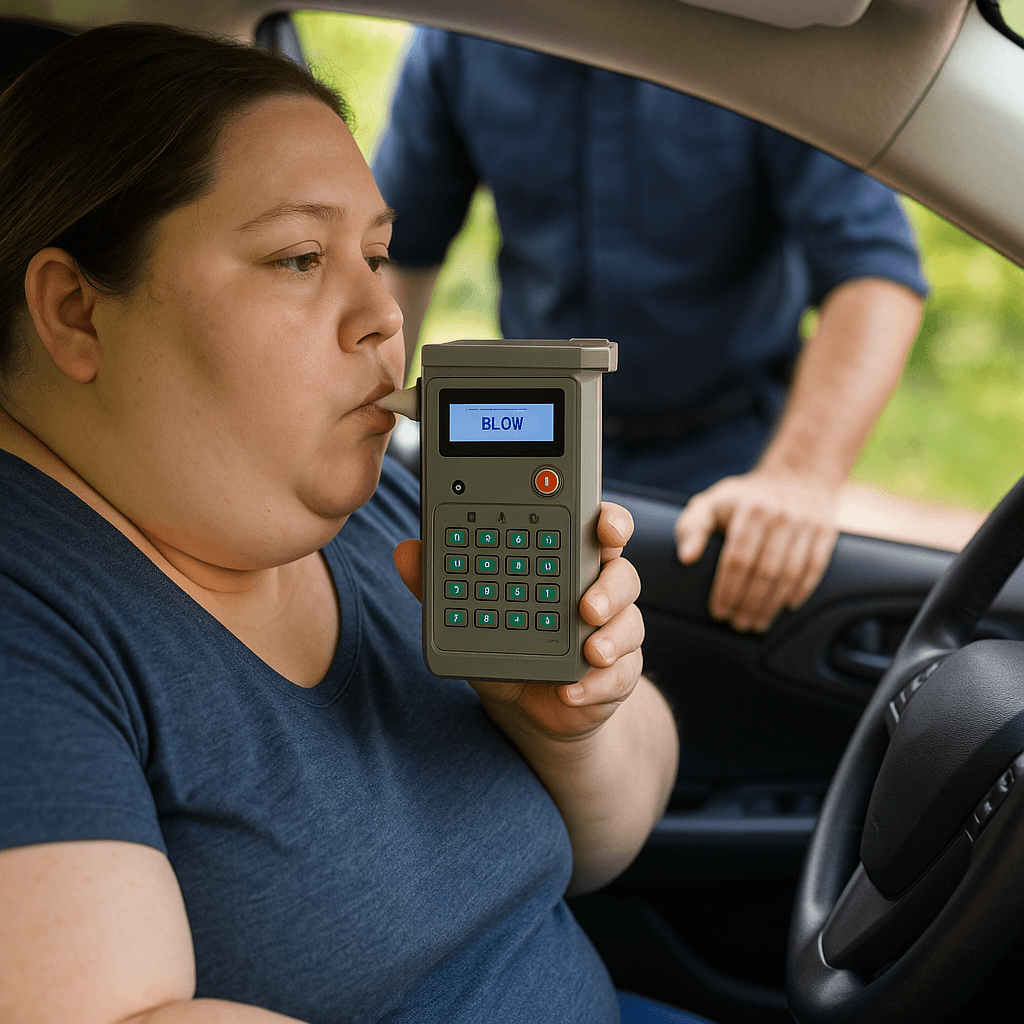
Michigan prosecutors charge felony DWLS when your driving-on-suspended violation causes injury or death—turning a misdemeanor into a 5-year felony with mandatory vehicle immobilization and extended license revocation.
Michigan's Felony DWLS Threshold: Injury or Death During the Offense
Michigan law divides Driving While License Suspended (DWLS) into three tiers. First-offense DWLS with no aggravating factors is a 93-day misdemeanor under MCL 257.904(1). Second-offense DWLS or driving during a suspension for certain serious violations (OWI, reckless driving causing death) elevates to a 1-year misdemeanor under MCL 257.904(2). Felony DWLS under MCL 257.904(3) applies when your suspended-license driving causes death or serious impairment of a body function—regardless of whether this is your first DWLS offense.
Serious impairment of a body function is defined by case law (People v. Kern) as an injury that affects the person's general ability to lead a normal life. Examples include brain injury, loss of limb function, permanent scarring that affects daily activities, or injuries requiring multiple surgeries and extended recovery. A broken bone alone typically does not meet the threshold unless it results in permanent functional loss. Prosecutors have discretion to charge felony DWLS even when fault for the crash is disputed—the statute requires only that you were driving on a suspended license and that the crash caused qualifying injury.
The felony carries a maximum sentence of 5 years in prison or a $1,000 to $5,000 fine under MCL 257.904(3). Vehicle immobilization for 90 to 180 days is mandatory upon conviction. The Secretary of State will also impose additional revocation time on top of your existing suspension, extending your total time without driving privileges. Unlike misdemeanor DWLS, which some defendants resolve without counsel, felony DWLS charges require criminal defense representation—this is a prison-exposure case.
How the Injury Element Changes Prosecution Strategy
Prosecutors typically file felony DWLS charges after reviewing the crash report, medical records, and victim statements. The charging decision happens within days of the crash if serious injury is evident, or weeks later if injury severity develops over time. You may initially be arrested for misdemeanor DWLS at the scene and later re-charged with the felony after medical documentation confirms serious impairment.
Defense strategy in felony DWLS cases often centers on three arguments. First, challenging whether the injury meets the "serious impairment of a body function" threshold—medical records and expert testimony become critical. Second, disputing causation—if another driver caused the crash, your suspended-license status may not have been the proximate cause of the injury. Third, negotiating charge reduction to misdemeanor DWLS in exchange for a guilty plea, particularly when fault is contested or the injury threshold is borderline.
Michigan courts have upheld felony DWLS convictions even when the defendant was not at fault for the crash itself (People v. Schaefer). The statute's plain language does not require fault—only that you were driving on a suspended license and that the act of driving resulted in injury. This strict liability element makes the injury-causation defense difficult but not impossible. Crash reconstruction, witness testimony, and traffic camera footage become the evidentiary battleground.
Compare car insurance rates in your state
Get quotes from licensed carriers — no obligation, no spam, results in minutes.
Get Your Free Quote✓ No Obligation Required✓ Licensed Carriers Only✓ Available Nationwide✓ Free to Compare
Additional Suspension Period and SR-22 Filing Requirement
A felony DWLS conviction adds revocation time on top of your existing suspension. The Secretary of State treats felony DWLS as a separate violation triggering its own administrative sanction. If your original suspension was 90 days for unpaid tickets and you are convicted of felony DWLS during that period, expect an additional 1 to 2 years of revocation stacked after the original 90 days. The total time without driving privileges now extends years beyond your original penalty.
SR-22 filing is required after any DWLS conviction in Michigan, and the filing period for felony DWLS is typically 3 years from the reinstatement date. Even if your original suspension cause (unpaid tickets, points accumulation) did not require SR-22, the DWLS conviction triggers the requirement. Carriers treat felony DWLS as a severe underwriting flag—worse than the underlying suspension cause and comparable to vehicular homicide for rate-setting purposes.
Restricted license eligibility is closed after felony DWLS conviction until you complete the full revocation period and petition the Driver Assessment and Appeal Division (DAAD) for reinstatement. Michigan's standard Restricted License program under MCL 257.323 does not apply during a felony-DWLS-triggered revocation. You will serve the full revocation period with no driving privileges before you can apply for any form of license restoration.
Vehicle Immobilization and Forfeiture Risk
Michigan law mandates vehicle immobilization for 90 to 180 days upon felony DWLS conviction under MCL 257.904(4). The court orders the vehicle you were driving at the time of the offense to be immobilized—stored at a tow yard or impound lot at your expense. Immobilization costs accumulate daily, often $25 to $50 per day, plus the initial towing and administrative fees. Over a 180-day immobilization period, storage costs alone can exceed $9,000.
If you do not own the vehicle, the registered owner must petition the court for release. Courts frequently grant release to innocent owners (a parent whose car you borrowed, a spouse who did not know your license was suspended), but the process requires filing a motion, appearing at a hearing, and proving lack of knowledge. The vehicle remains impounded until the hearing is resolved.
Forfeiture is possible but less common than immobilization. Prosecutors may seek vehicle forfeiture under Michigan's public nuisance statute if the vehicle was used in the commission of a felony and you have prior DWLS convictions. Forfeiture permanently transfers ownership of the vehicle to the state. Defense counsel can challenge forfeiture on proportionality grounds, particularly when the vehicle's value far exceeds the harm caused or when forfeiture would impose undue hardship on family members.
Civil Liability Exposure After Felony DWLS Conviction
A felony DWLS conviction does not resolve civil liability for the crash injuries. The injured party or their family can file a personal injury lawsuit seeking damages for medical expenses, lost wages, pain and suffering, and permanent disability. Michigan is a no-fault state, meaning PIP coverage typically pays the victim's medical bills and wage loss up to policy limits regardless of fault. However, serious injury meets Michigan's threshold for stepping outside no-fault protections under MCL 500.3135, allowing the victim to sue for non-economic damages.
Your suspended-license status will be introduced as evidence of negligence per se in the civil case. Driving on a suspended license is a statutory violation, and Michigan courts recognize violation of a safety statute as presumptive negligence. The plaintiff does not need to prove you drove carelessly—the suspension alone establishes breach of duty. Your defense in the civil case will focus on causation (proving another driver caused the crash) rather than disputing negligence.
If you were uninsured at the time of the crash—common among suspended-license drivers—you face personal liability for the judgment. Michigan law does not discharge tort judgments in bankruptcy when the injury was caused by operation of a vehicle while knowingly driving without required insurance under 11 USC 523(a)(9). Even after serving your criminal sentence and reinstating your license, a six-figure civil judgment can follow you indefinitely.
Reinstatement Process After Serving Felony DWLS Revocation
Reinstatement after felony DWLS conviction requires completing your revocation period, resolving the original suspension cause, and petitioning the Secretary of State. You will pay a $125 base reinstatement fee plus any outstanding fees tied to the original suspension. If your original suspension was for OWI, you must also complete substance abuse evaluation and provide proof of treatment compliance before the DAAD will consider your reinstatement petition.
SR-22 filing must be in place before reinstatement is granted. You will need to contact an insurer willing to write high-risk policies for drivers with felony DWLS convictions—Bristol West, Direct Auto, National General, and Progressive write in Michigan and file SR-22, but expect monthly premiums in the $250 to $400 range for minimum liability coverage. Non-owner SR-22 policies are available if you do not own a vehicle, but you must maintain continuous coverage for the full 3-year filing period.
The DAAD hearing process for felony DWLS cases is more stringent than standard revocation appeals. You will need to demonstrate rehabilitation, provide character references, submit employment verification, and show proof of financial responsibility. The hearing officer will review your driving record, the circumstances of the felony conviction, and your compliance with all court-ordered conditions. Denial rates are high for first-time petitions after felony DWLS—many drivers require a second hearing and additional documentation before reinstatement is granted.
What to Do If You Are Charged with Felony DWLS in Michigan
Retain criminal defense counsel immediately. Felony DWLS is a prison-exposure case—public defenders are available if you qualify financially, but private counsel with experience in vehicular felonies and DAAD proceedings will better position you for charge reduction or sentencing mitigation. Do not speak to investigators or insurance adjusters without counsel present. Statements you make about the crash, your knowledge of the suspension, or your reason for driving can be used against you in both the criminal case and the civil lawsuit.
Request all crash reports, medical records, and witness statements through your attorney. If fault is contested, hire a crash reconstruction expert early—waiting until trial preparation begins limits the expert's ability to inspect the scene and vehicle damage. Preserve any dashcam footage, phone records showing you were not texting, or GPS data that contradicts the prosecution's timeline.
Do not drive again until your license is fully reinstated. A second DWLS arrest while the felony case is pending will be charged as a separate offense and will eliminate any possibility of charge reduction or probation. Judges view repeat DWLS during the pendency of a felony case as contempt of court and a public safety threat. Arrange alternative transportation through family, rideshare, or public transit—driving again before reinstatement is not worth the additional felony exposure.