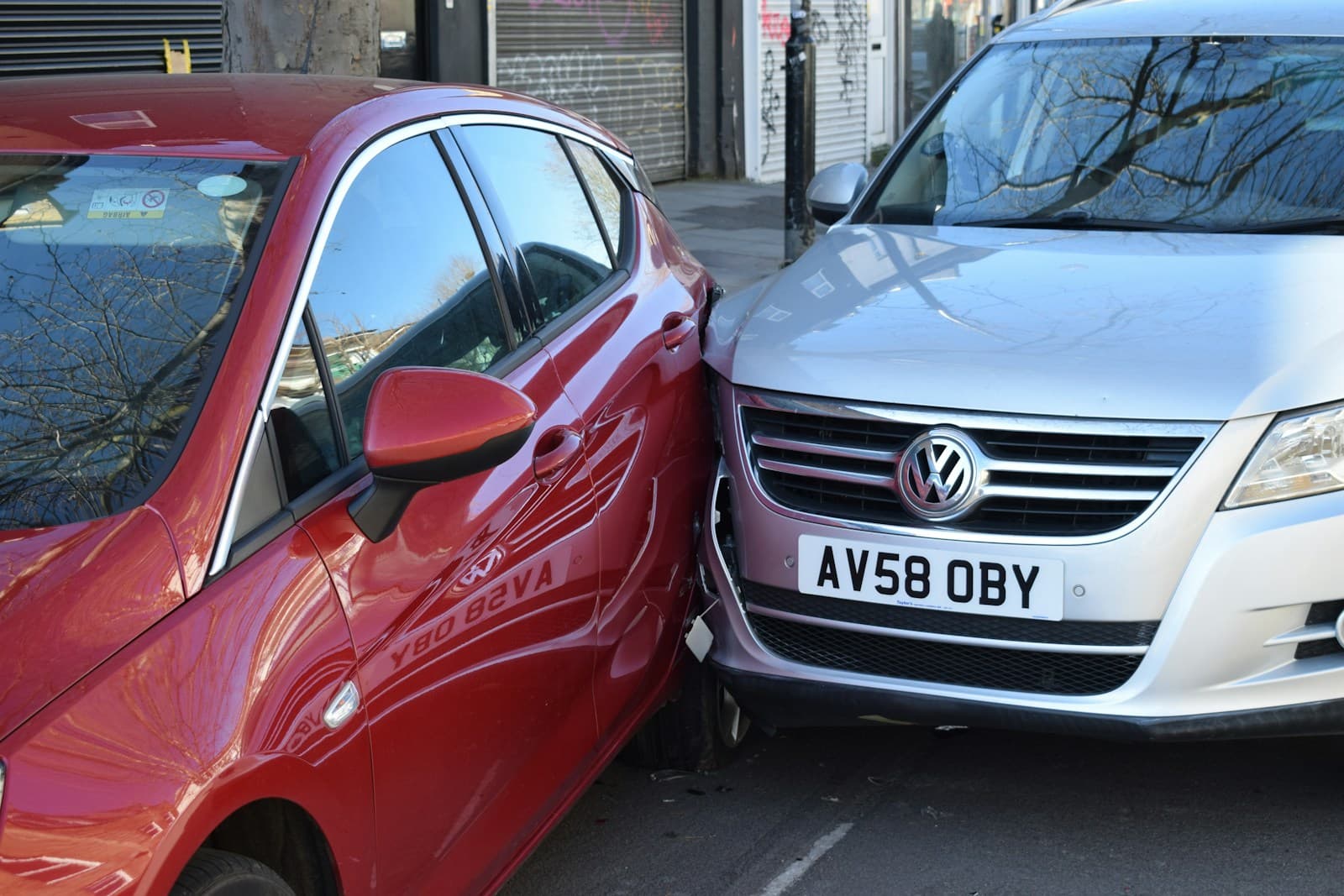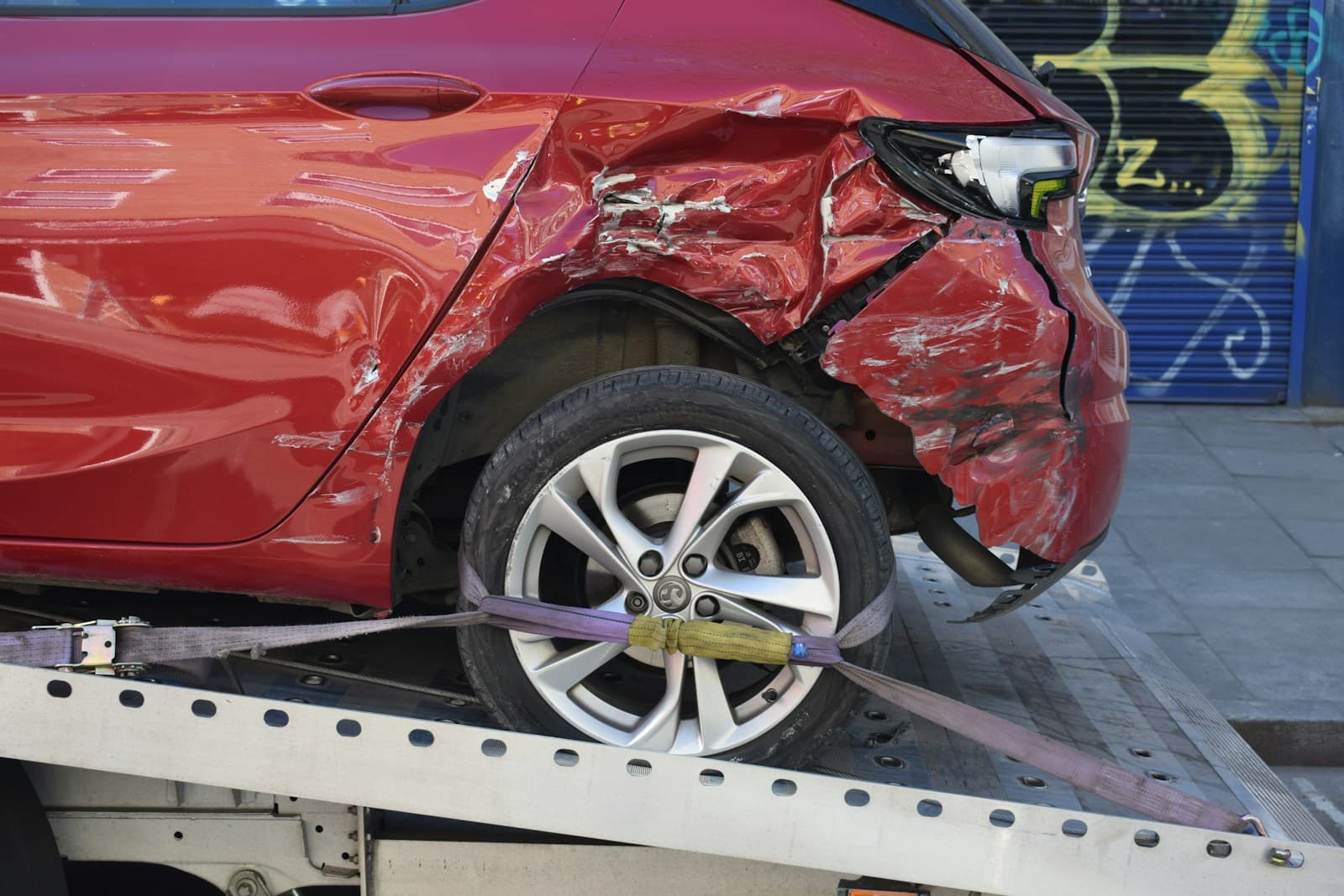
You were caught driving on a suspended license and someone was hurt or killed. Whether you face felony charges depends on your state's threshold for bodily harm and whether death triggers automatic felony classification.
Which States Treat DWLS Causing Injury as an Automatic Felony?
Eight states elevate DWLS to felony charges when any bodily injury results from the offense: Arizona, Florida, Georgia, Illinois, Nevada, North Carolina, Pennsylvania, and Virginia. These states do not require proof of serious injury or permanent harm. A minor collision causing whiplash, a pedestrian struck with bruising, or a passenger claiming soft-tissue injury all meet the bodily-harm threshold for felony classification.
The majority of states reserve felony charges for cases involving death or serious bodily injury. Serious injury typically means broken bones, disfigurement, extended hospitalization, or permanent impairment. California, Texas, Ohio, Michigan, and most other states treat DWLS with minor injury as a misdemeanor, escalating only when the harm crosses a statutory severity threshold.
This distinction matters immediately. Felony charges carry mandatory jail minimums in most states, loss of voting rights during incarceration in many, and substantially higher fines and reinstatement costs. Misdemeanor DWLS with injury usually allows discretionary sentencing, probation options, and faster reinstatement pathways.
Death as a DWLS Aggravator: Universal Felony Trigger Across All States
Every state treats DWLS causing death as a felony. The charge names vary: vehicular homicide while license suspended in Georgia and North Carolina, aggravated unlicensed operation causing death in New York, driving while suspended causing death in Illinois and Florida. The classification is universal.
Sentencing ranges differ dramatically. Florida's felony DWLS causing death carries a 15-year maximum sentence with a minimum mandatory 4 years under state guidelines. Georgia's vehicular homicide while unlicensed statute allows up to 15 years but does not mandate minimums unless the original suspension was DUI-related. Illinois felony aggravated DWLS causing death carries 3 to 14 years with truth-in-sentencing rules requiring 85 percent of the sentence served before parole eligibility.
Texas applies its criminally negligent homicide statute when the underlying suspension was for a non-DUI cause, carrying 180 days to 2 years in state jail. If the original suspension was DUI-related and death occurs during DWLS, Texas prosecutors typically charge intoxication manslaughter even without current intoxication evidence, leveraging the prior DUI as proof of knowing risk. That charge carries 2 to 20 years in state prison.
Compare car insurance rates in your state
Get quotes from licensed carriers — no obligation, no spam, results in minutes.
Get Your Free Quote✓ No Obligation Required✓ Licensed Carriers Only✓ Available Nationwide✓ Free to Compare
What Counts as Bodily Injury Under State DWLS Statutes?
States define bodily injury using two frameworks: any physical harm or serious physical harm. The eight felony-trigger states above use the any-physical-harm standard. Florida Statutes 322.34(6) defines bodily injury as "physical pain, illness, or any impairment of physical condition." A passenger complaining of neck pain after a rear-end collision meets this threshold even without hospital transport.
Serious-injury states require proof of substantial risk of death, protracted loss or impairment of a body part, or permanent disfigurement. Ohio Revised Code 2901.01(A)(5) sets the standard as "physical harm that carries a substantial risk of death, causes serious permanent disfigurement, or results in long-term loss or impairment of any bodily member or organ." A broken wrist typically qualifies. Road rash and bruising do not.
Prosecutors in serious-injury states often charge misdemeanor DWLS initially, then amend to felony after reviewing medical records. Hospital admission for observation, surgical intervention, or documented fractures trigger the amendment. Defense counsel in these cases argue injury severity at preliminary hearings before felony bindover, presenting discharge summaries showing no surgical treatment and same-day release as evidence the harm did not meet the statutory threshold.
How Original Suspension Cause Compounds Felony Sentencing
The reason your license was originally suspended controls sentencing severity when injury or death occurs. DWLS after DUI suspension causing injury triggers enhanced felony sentencing in 34 states. Georgia adds a mandatory 12-month jail minimum when the original suspension was DUI-related and the DWLS causes injury. Illinois adds 1 to 3 years to the base sentence when the underlying suspension was for DUI, reckless homicide, or leaving the scene.
California Vehicle Code 14601.4 treats DWLS after DUI suspension causing injury as a wobbler felony, allowing prosecutors discretion to charge felony or misdemeanor. County practices vary: Los Angeles and San Francisco counties typically charge felony when hospital transport occurs. Riverside and San Bernardino counties reserve felony charges for fractures or multi-day hospitalization.
DWLS after points-accumulation or unpaid-ticket suspensions receives lighter treatment. Ohio typically charges fourth-degree misdemeanor DWLS even with minor injury when the original suspension was administrative rather than criminal. The sentencing range remains 30 days maximum jail and $250 fine unless serious injury occurred, which elevates the charge to first-degree misdemeanor with 180 days maximum.
SR-22 Filing Duration After Felony DWLS Conviction
Felony DWLS convictions extend SR-22 filing periods beyond standard DWLS requirements. Standard first-offense DWLS typically requires 3 years of SR-22 filing in most states. Felony DWLS with injury adds 2 to 5 years depending on state and original suspension cause.
Florida requires 5 years of SR-22 filing after felony DWLS causing bodily injury, measured from license reinstatement date, not conviction date. If reinstatement takes 18 months post-conviction due to jail time and court processing, the SR-22 clock starts after reinstatement, extending total filing time to roughly 6.5 years from the date of the offense.
Illinois requires continuous SR-22 for the entire supervision period following felony DWLS causing injury. Felony probation in Illinois typically runs 24 to 48 months. SR-22 must remain active for the full probation term plus an additional 3 years after successful discharge. A driver sentenced to 30 months probation will carry SR-22 for approximately 5.5 years total.
Georgia does not mandate SR-22 after most misdemeanor DWLS convictions, but felony DWLS with injury triggers automatic SR-22 filing requirements for 3 years post-reinstatement under O.C.G.A. 40-5-34(b). Carriers in Georgia treat felony DWLS as a higher underwriting flag than DUI for rate calculation purposes because the offense demonstrates disregard for a court-ordered restriction plus third-party harm.
Hardship and Occupational License Availability After Injury-Involved DWLS
Most states close hardship license eligibility after DWLS convictions involving injury or death. Texas Transportation Code 521.2465 explicitly bars occupational license issuance for drivers with pending or convicted charges of DWLS causing serious bodily injury or death. This prohibition remains in effect until the criminal case resolves, all jail time is served, and the full hard-suspension period expires.
Florida allows business-purposes-only license petitions after felony DWLS causing injury only if the driver was not intoxicated at the time of the offense and completes DUI school, installs an ignition interlock device, and serves a minimum 2-year hard suspension. The petition cannot be filed until 24 months after the conviction date. Approval is discretionary and rare in counties where injury required hospitalization.
Illinois bars restricted driving permits entirely during the suspension period following felony DWLS causing injury or death. Ohio allows limited driving privileges after 1 year of a multi-year suspension if the injury was classified as minor and the original suspension was not DUI-related. Counties vary: Franklin County judges approve roughly 15 percent of petitions; Cuyahoga County approves under 5 percent.
North Carolina does not offer limited driving privileges after felony DWLS under any circumstances. The license remains fully revoked until all court-ordered conditions are met, all fines and restitution are paid in full, and the statutory waiting period expires. That period is typically 3 to 5 years for injury cases, 5 to 10 years for death cases.
What Insurance Costs Look Like After Felony DWLS Conviction
Felony DWLS with injury produces the highest sustained rate increases in the auto insurance underwriting spectrum. Standard carriers decline coverage entirely. High-risk carriers treat the conviction as a compounding flag: the original suspension cause plus criminal driving plus third-party harm.
Monthly premiums for liability-only SR-22 coverage after felony DWLS typically range from $280 to $450 per month in states requiring SR-22. Non-owner SR-22 policies run $180 to $320 monthly. These ranges assume no current vehicle, minimum state liability limits, and no additional violations during the filing period. Rates in Florida, Michigan, and California often exceed $500 monthly due to state-specific rating rules and higher liability minimums.
The rate penalty persists for 7 to 10 years in most states. Felony convictions remain on driving records longer than misdemeanors. California keeps felony DWLS on record for 10 years. Texas retains it permanently but allows underwriting consideration to fade after 7 years for drivers with no subsequent violations. Illinois maintainsfelony records indefinitely and does not allow expungement for traffic-related felonies.
Some high-risk carriers will not write policies for drivers with felony DWLS causing death under any circumstances. Bristol West, Acceptance, and Dairyland typically decline. Progressive and State Farm high-risk divisions occasionally write coverage in states where residual market pools do not exist, but premiums reflect near-total loss expectation and policy terms often exclude collision and comprehensive coverage entirely.