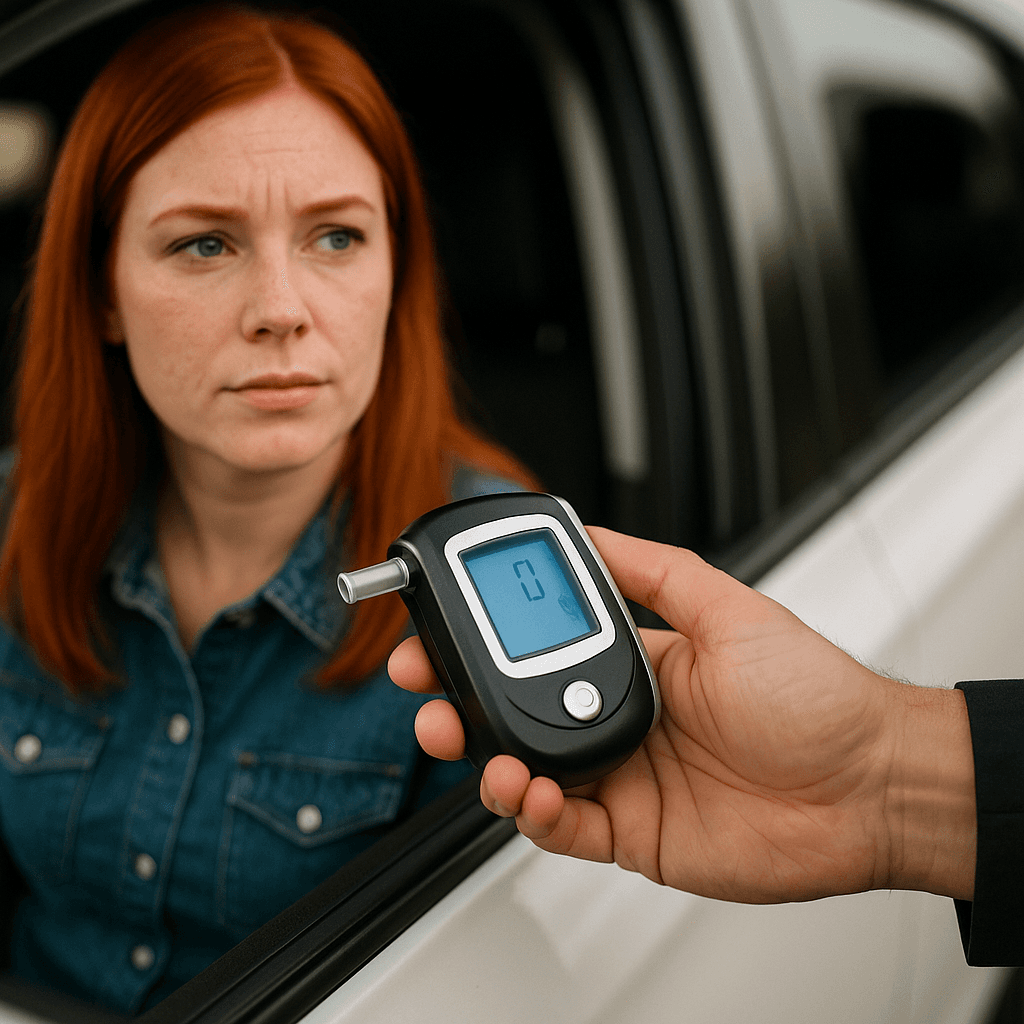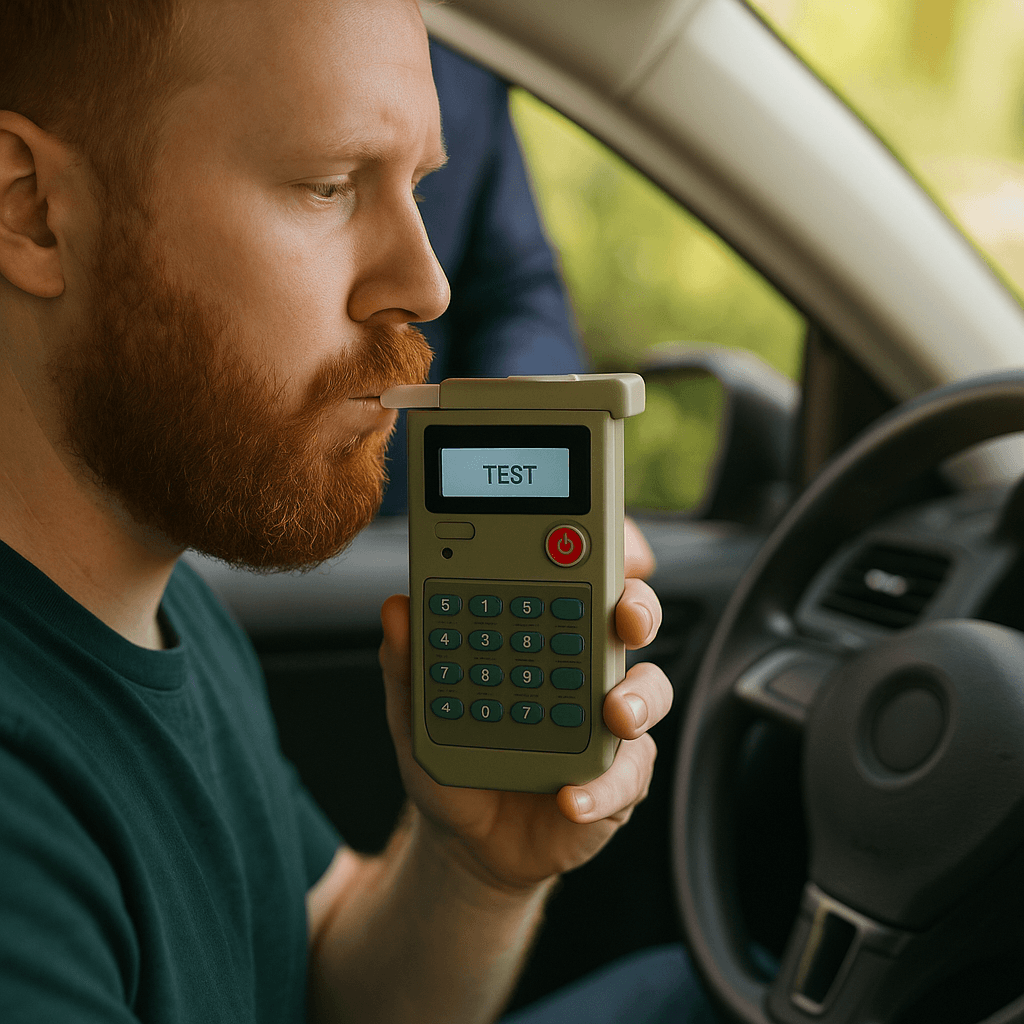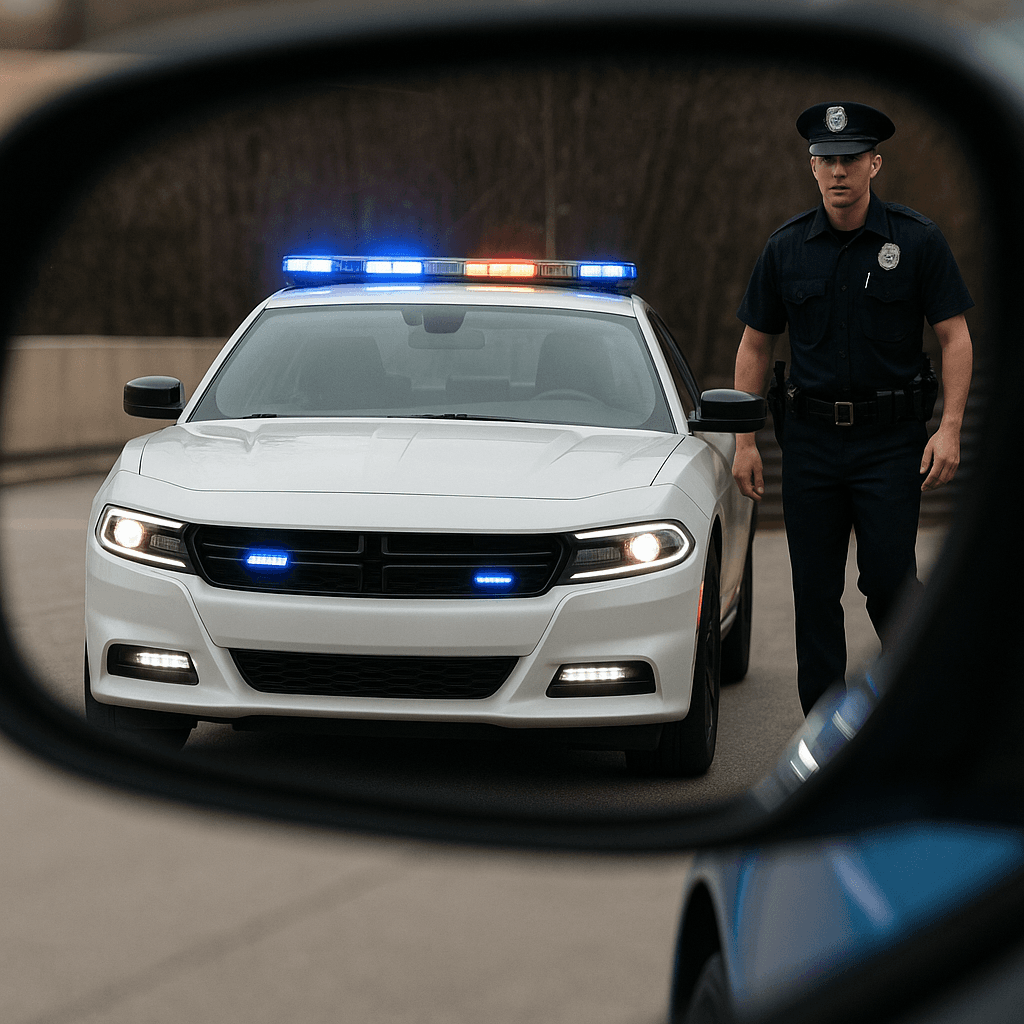
Pennsylvania treats Driving While License Suspended as a criminal offense that closes access to the Alcohol and Drug Related Driving Program and severely restricts Occupational Limited License eligibility—especially when the original suspension was DUI-related.
Why DWLS Disqualifies You from ARDP in Pennsylvania
Pennsylvania's Alcohol and Drug Related Driving Program (ARDP) offers a critical pathway to early reinstatement for first-time DUI offenders. The program allows drivers to complete a 10-week education course and pay restoration fees in exchange for credit toward their suspension period, effectively shortening time off the road.
A Driving While License Suspended charge makes you categorically ineligible for ARDP enrollment. PennDOT's Bureau of Driver Licensing treats DWLS as a signal that the driver cannot comply with administrative oversight. Even if the DWLS charge is later reduced or dismissed in court, the fact that it was filed on your record often blocks ARDP access until the criminal case resolves and any additional suspension period expires.
This closure is automatic. No hearing is required. Once PennDOT receives notice of a DWLS charge from the court, your ARDP eligibility window ends. If you were already enrolled in ARDP classes when the DWLS occurred, your enrollment is typically terminated and fees are not refunded.
The practical consequence: drivers who would have been eligible for a 30-day restoration after ARDP completion now face the full original suspension period plus the additional DWLS-related suspension stacked on top. For a first-offense DUI with a 12-month suspension, that difference can mean 11 extra months without legal driving privileges.
How DWLS Changes Occupational Limited License Availability
Pennsylvania offers two parallel restricted-driving programs: the court-issued Occupational Limited License (OLL) under 75 Pa.C.S. § 1553 and the PennDOT-issued Ignition Interlock Limited License (IILL) under 75 Pa.C.S. § 3805. DUI offenders typically interact with the IILL system, not the OLL.
A DWLS conviction complicates access to both. For the OLL, county courts of common pleas have broad discretion to deny petitions when an applicant has demonstrated willingness to drive without legal authority. Most Pennsylvania counties treat DWLS as a disqualifying factor unless the applicant can show extraordinary hardship and compliance with all criminal court requirements stemming from the DWLS charge itself.
For the IILL, PennDOT applies a more rigid framework. The IILL is available after the mandatory hard suspension period expires. A DWLS conviction extends that hard suspension period by the length of the DWLS penalty—typically 6 months for a first DWLS offense stacked consecutively on top of the original DUI suspension. The IILL application cannot be filed until both the original hard suspension and the DWLS hard suspension have been fully served.
Because OLL petitions are filed with the court of common pleas in the applicant's county of residence, procedural requirements and fees vary by county. There is no statewide uniform fee or timeline. Some counties require proof that the DWLS criminal case has been fully resolved before they will schedule an OLL hearing. Others will hear petitions while the DWLS case is pending but almost never grant the license until conviction or dismissal.
Compare car insurance rates in your state
Get quotes from licensed carriers — no obligation, no spam, results in minutes.
Get Your Free Quote✓ No Obligation Required✓ Licensed Carriers Only✓ Available Nationwide✓ Free to Compare
The Criminal Court Process and Administrative Suspension Stack
Pennsylvania DWLS is a criminal offense, not a civil administrative action. First-offense DWLS is a summary offense carrying fines up to $200 and potential jail time up to 90 days at judicial discretion. Second-offense DWLS within five years is a third-degree misdemeanor with fines up to $2,500 and up to one year in jail.
Your criminal defense attorney addresses the DWLS charge in court. PennDOT's suspension actions run on a parallel track. The two processes do not coordinate. A favorable outcome in criminal court—such as a reduction to driving without a license or Accelerated Rehabilitative Disposition (ARD)—does not automatically reverse PennDOT's administrative suspension extension.
The administrative suspension added by DWLS typically runs consecutively to the original suspension. If your original DUI suspension was 12 months and you were caught driving at month 4, you now face 8 more months on the DUI suspension plus 6 months on the DWLS suspension, totaling 14 months from the DWLS arrest date. PennDOT does not pause or reset the original suspension clock when DWLS is charged.
Your restoration fee also compounds. The base restoration fee is $50 per item. A DWLS offense adds another restoration fee item. If your license and registration were both suspended, that's now four separate $50 fees: original license restoration, original registration restoration, DWLS license restoration, DWLS registration restoration.
SR-22 Filing Requirement and Duration After DWLS
Pennsylvania does not use the term SR-22. The equivalent document is the Financial Responsibility Certificate filed directly by your insurance carrier with PennDOT. DWLS convictions trigger a mandatory filing requirement under 75 Pa.C.S. § 1786, even when the original suspension cause did not.
The filing period for DWLS is typically 3 years, measured from the date of reinstatement, not the date of conviction. If your original suspension was for unpaid fines and did not require SR-22, the DWLS conviction now imposes a 3-year SR-22 filing requirement on top of all other reinstatement conditions.
If your original suspension already required SR-22—common for DUI, uninsured motorist violations, and reckless driving—the DWLS conviction extends the filing period. A DUI with a 3-year SR-22 period that stacks a DWLS conviction typically resets the 3-year clock from the new reinstatement date, effectively adding 1 to 2 years depending on when the DWLS occurred during the original suspension.
Cancellation of SR-22 during the filing period triggers automatic re-suspension. PennDOT receives electronic notification from your carrier within 24 hours of policy cancellation. You have no grace period to replace coverage. The suspension is immediate and adds another restoration cycle.
Why Carriers Treat DWLS as a Heavier Flag Than the Original Cause
Insurance carriers underwrite DWLS convictions more severely than the underlying suspension cause. The reasoning: a driver who continued to operate a vehicle after receiving formal suspension notice demonstrates poor risk assessment and low compliance probability.
Underwriting guidelines used by most Pennsylvania carriers classify DWLS as a major violation, equivalent to DUI or reckless driving for rate calculation purposes. Even if your original suspension was for an administrative cause like unpaid fines, the DWLS conviction elevates your risk tier to high-risk or non-standard.
SR-22 coverage after a DWLS conviction typically costs $140 to $250 per month for minimum liability limits in Pennsylvania. If ignition interlock is required as part of your IILL, expect an additional $75 to $125 per month for IID lease and monitoring, plus $150 to $200 in installation and calibration fees.
Carriers writing high-risk business in Pennsylvania include Bristol West, Dairyland, Direct Auto, Infinity, and National General. Not all accept drivers with compounded DWLS plus DUI records. Some require clean criminal court resolution before they will quote. Shop carefully and expect multiple declinations before securing coverage.
The Path Forward: Criminal Resolution First, Then Reinstatement
Your first step is resolving the DWLS criminal charge. Hire a criminal defense attorney if the charge is misdemeanor-level or if you have prior DWLS convictions. Pennsylvania judges have discretion to impose jail time even on first-offense summary DWLS when aggravating factors exist, such as an accident, eluding, or driving far outside a reasonable work commute.
Your attorney may negotiate a reduction to driving without a license or secure ARD, which avoids a conviction on your record but does not eliminate PennDOT's administrative suspension extension. ARD is rarely offered for DWLS when the underlying suspension was DUI-related. Courts view stacking violations as evidence of non-compliance.
Once the criminal case resolves, confirm your full suspension period with PennDOT's online Driver License Restoration Requirements system at dmv.pa.gov. The system shows every suspension item stacked on your record, each with its own expiration date and restoration fee. You cannot apply for IILL or petition for OLL until the hard suspension period for all items has expired.
After the hard suspension expires, file your SR-22 Financial Responsibility Certificate, pay all restoration fees, and complete any outstanding requirements from the original suspension cause—such as Alcohol Highway Safety School for DUI or proof of vehicle sale for uninsured motorist suspensions. PennDOT processes reinstatement within 5 to 10 business days once all items are satisfied.
If you are applying for IILL, you must install an ignition interlock device before PennDOT will issue the license. The device must be installed by a PennDOT-approved vendor. Proof of installation is submitted directly by the vendor to PennDOT. IILL approval typically takes 2 to 4 weeks after installation confirmation.