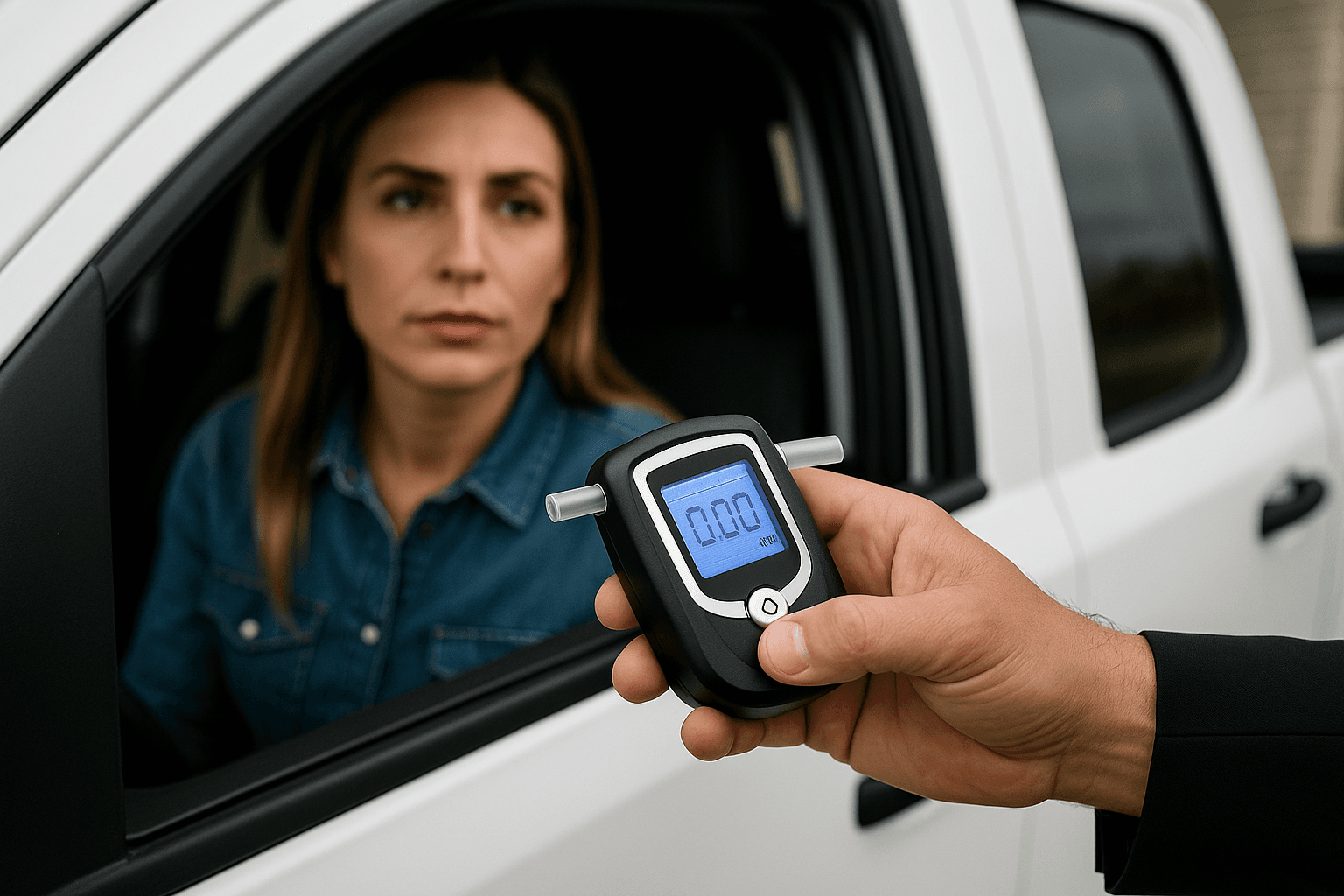
Your DWLS conviction compounds penalties on top of your original suspension cause. Some states add months; others add years. This breakdown shows which jurisdictions stack the heaviest sanctions and where the procedural walls go up fastest.
The Compound Conviction Structure: Original Cause Plus DWLS Adds Two Separate Suspension Periods
A Driving While License Suspended conviction does not replace your original suspension. It stacks on top. You serve the remainder of your original suspension period, then serve the additional DWLS suspension period, then meet all reinstatement requirements for both causes before your license is restored.
Most states structure DWLS as a standalone misdemeanor or felony charge with its own suspension period ranging from 30 days to multiple years. That period is added sequentially to your original suspension. If you had six months remaining on a DUI suspension and receive a 90-day DWLS suspension, you now serve nine months total before reinstatement eligibility opens.
Some states apply the DWLS suspension concurrently with the original suspension if the conviction occurs before the original period ends. Others always stack sequentially. The difference determines whether your total suspension doubles or merely extends.
Tier One Heavy Stack States: DWLS Conviction Adds Years to Your Original Suspension
Florida treats DWLS after a DUI-related suspension as a felony on the first offense if you knew your license was suspended for DUI. The additional suspension period for a third-degree felony DWLS conviction is up to five years, stacked on top of the remaining DUI suspension. Florida's hard reinstatement fee is $500 for the DUI suspension plus an additional $500 for the DWLS conviction, and SR-22 filing extends from three years to five years.
Virginia classifies DWLS as a Class 1 misdemeanor for the first offense, but the additional suspension period is mandatory 90 days to one year stacked on top of your original suspension. If your original suspension was DUI-related, you now file FR-44 (Virginia's higher-limit SR-22 equivalent) for five years instead of three. Virginia's DMV does not offer hardship licenses after a DWLS conviction except in rare cases involving documented hardship and completion of all alcohol safety programs.
New Jersey adds a mandatory additional suspension of one to two years for a DWLS conviction, applied sequentially after the original suspension. New Jersey does not permit hardship driving at any point during a DWLS-extended suspension. Reinstatement requires payment of the original suspension restoration fee plus a separate $100 DWLS restoration fee, completion of a Motor Vehicle Commission restoration checklist, and proof of insurance with SR-22 endorsement for three years from the date of reinstatement, not the date of conviction.
Compare car insurance rates in your state
Get quotes from licensed carriers — no obligation, no spam, results in minutes.
Get Your Free Quote✓ No Obligation Required✓ Licensed Carriers Only✓ Available Nationwide✓ Free to Compare
Tier Two Moderate Stack States: DWLS Adds Months and Closes Hardship Pathways
Georgia classifies first-offense DWLS as a misdemeanor and adds a mandatory minimum additional suspension of six months. If your original suspension was for a serious traffic offense (DUI, reckless driving, hit-and-run), the DWLS suspension extends to 12 months and hardship license eligibility is suspended until the DWLS period is served. Georgia's Department of Driver Services requires SR-22 filing for three years after a DWLS conviction regardless of the original suspension cause.
Texas adds a minimum 90-day suspension for first-offense DWLS, stacked on top of your original suspension. If your DWLS occurred while you were suspended for DWI, the additional suspension is six months and your occupational driver's license eligibility is suspended until you complete the DWLS suspension period and pay a $100 additional fee. Texas requires SR-22 for two years after DWLS reinstatement.
Ohio imposes a mandatory additional suspension of six months to three years for DWLS, depending on whether the original suspension was for a moving violation, administrative suspension, or DUI. Ohio's Bureau of Motor Vehicles does not issue occupational driving privileges during the DWLS suspension period. Reinstatement requires payment of the original suspension reinstatement fee plus a separate $40 DWLS reinstatement fee and SR-22 filing for three years.
Tier Three Light Stack States: DWLS as Flat Misdemeanor Add-On
California treats first-offense DWLS as a misdemeanor but does not automatically extend the administrative suspension period unless the DWLS conviction is for driving on a DUI suspension. In that case, the DMV adds six months to your existing suspension. California allows restricted license applications during the DWLS suspension period if you meet eligibility for the original suspension cause and install an ignition interlock device.
Illinois adds a mandatory minimum additional suspension of 30 days for first-offense DWLS, applied concurrently if the conviction occurs before the original suspension period ends. Illinois permits Restricted Driving Permit applications immediately after the DWLS conviction if you meet the original suspension cause's RDP eligibility requirements and pay a $50 RDP application fee on top of the standard $70 application fee.
Michigan classifies first-offense DWLS as a 93-day misdemeanor and adds a mandatory additional suspension of 30 days, applied sequentially after the original suspension. Michigan allows Restricted License applications during the DWLS suspension period if you meet original suspension eligibility and complete a substance abuse assessment when the original suspension was alcohol-related. Michigan requires SR-22 for two years after a DWLS conviction.
The SR-22 Extension Multiplier: How DWLS Conviction Extends Your Filing Period Beyond the Original Trigger
SR-22 filing requirements are triggered by the most recent qualifying event. If your original suspension did not require SR-22 filing but your DWLS conviction does, the SR-22 period begins on your reinstatement date and runs for the full period required by your state's DWLS rules. If your original suspension already required SR-22, the filing period resets and extends.
Florida extends SR-22 filing from three years to five years after a DWLS conviction involving a DUI suspension. Virginia resets FR-44 filing to five years from the date of DWLS reinstatement. Georgia, Texas, and Ohio extend SR-22 filing to three years from the date of DWLS reinstatement regardless of the original suspension cause.
States that do not require SR-22 for the original suspension cause but do require it after DWLS include California (DWLS on DUI suspension only), Illinois (all DWLS convictions), and Michigan (all DWLS convictions). The SR-22 filing period is measured from your reinstatement date, not your conviction date. If reinstatement is delayed by unpaid fines or incomplete program requirements, the SR-22 clock does not start.
Hardship License Closure: When DWLS Conviction Eliminates Your Only Legal Driving Option
Most states suspend hardship license eligibility during the DWLS suspension period. Virginia does not permit conditional licenses after a DWLS conviction except in cases where the driver can prove extreme hardship and has completed all alcohol safety programs required by the original suspension. New Jersey does not issue conditional licenses at any point after a DWLS conviction.
Georgia permits limited driving permit applications only after the DWLS suspension period is fully served and only if the original suspension cause permits hardship driving. Texas suspends occupational driver's license eligibility during the DWLS suspension period but restores eligibility after that period is served, provided you pay the $100 DWLS reinstatement fee and file SR-22.
California and Michigan allow restricted license applications during the DWLS suspension period if you meet the original suspension cause's eligibility requirements, install an ignition interlock device when required, and pay all applicable fees. Illinois permits Restricted Driving Permit applications immediately after DWLS conviction if you meet original suspension eligibility and pay the additional $50 RDP fee.
What This Means for Your Insurance Path Forward
Your DWLS conviction triggers SR-22 filing requirements in almost every state, even where your original suspension cause did not require it. Filing periods are extended or reset to the date of your reinstatement, not your conviction. Carriers treat DWLS as a heavier underwriting flag than the original suspension cause because it signals continued high-risk behavior.
Premium increases after a DWLS conviction are severe. Drivers with DWLS convictions typically pay $180 to $320 per month for liability-only coverage with SR-22 endorsement, approximately double the cost of SR-22 coverage after a single DUI or uninsured suspension. Non-owner SR-22 policies are available if you do not own a vehicle but need to maintain continuous SR-22 filing to preserve reinstatement eligibility.
You must maintain continuous SR-22 coverage for the full filing period required by your state's DWLS rules. A lapse of even one day resets the filing period in most states. Find coverage that meets your state's filing requirement and maintains it without lapse. Compare quotes from carriers experienced in high-risk and post-DWLS cases to identify the most affordable compliant option.