Most states deny public defenders for first-offense DWLS misdemeanors because judges classify them as low-severity charges. That changes immediately when the charge escalates to felony, when jail is mandatory, or when your original suspension was for DUI.
Why First-Offense DWLS Misdemeanors Rarely Qualify for Appointed Counsel
Courts in most states classify first-offense DWLS as a low-severity misdemeanor with discretionary jail exposure. Under the Sixth Amendment standard set in Alabama v. Shelton (2002), you are entitled to appointed counsel only when the judge intends to impose actual incarceration. If the judge signals at arraignment that jail is not being considered, your indigency status becomes irrelevant.
This creates a procedural trap. You must request counsel at arraignment, before the judge has formally stated sentencing intent. If you assume you will not qualify because the charge is a misdemeanor, and you do not request counsel, you waive the right to raise it later even if the judge later adds jail to the sentence. The request must be made at the first appearance.
Texas, Florida, and Georgia courts routinely deny counsel for first-offense DWLS when no accident or injury occurred. In these states, judges impose fines and extended suspension periods without jail, which removes the constitutional trigger for appointed counsel. Your income documentation matters only after the judge has already decided jail is on the table.
When Felony DWLS Automatically Triggers Public Defender Eligibility
Most states escalate DWLS to a felony charge after two or three prior convictions, or when the underlying suspension was for DUI or a vehicular felony. Felony charges carry mandatory jail exposure in nearly every jurisdiction, which satisfies the Sixth Amendment standard automatically. Courts presume jail is a possible outcome, and indigency screening begins immediately.
In Illinois, a third DWLS conviction is a Class 4 felony with a mandatory minimum sentence of 10 days in jail. The court cannot waive jail time, which means public defender eligibility is not discretionary. Wisconsin follows a similar model: a third conviction under Wis. Stat. 343.44(1)(b) is a Class H felony with a minimum 5-day jail term. Florida escalates to a third-degree felony after three convictions within five years, with a maximum sentence of five years in prison.
When your charge sheet lists a felony classification, request a public defender at arraignment regardless of your employment status. The indigency standard varies by county, but felony charges trigger screening in every state. Bring proof of income, current bills, and documentation of any dependents. Courts apply a means test that compares your net monthly income to a multiple of the federal poverty guideline, typically 125 percent to 200 percent depending on the state.
Compare car insurance rates in your state
Get quotes from licensed carriers — no obligation, no spam, results in minutes.
Get Your Free Quote✓ No Obligation Required✓ Licensed Carriers Only✓ Available Nationwide✓ Free to Compare
How Underlying DUI Suspension Changes Counsel Assignment Rules
Judges treat DWLS charges differently when the original suspension was for DUI, even if the DWLS itself is charged as a first-offense misdemeanor. Many states impose mandatory minimum jail sentences for DWLS when the underlying cause was alcohol-related, which immediately satisfies the Sixth Amendment threshold for appointed counsel.
California Vehicle Code 14601.2 makes it a misdemeanor to drive on a DUI-suspended license, but carries a mandatory minimum of 10 days in jail for a first offense. That mandatory minimum triggers public defender eligibility even though the charge itself is not a felony. Arizona follows a similar structure under A.R.S. 28-3473: driving on a DUI suspension is a Class 1 misdemeanor with a minimum 30-day jail term on a first offense.
Ohio Revised Code 4510.14 elevates DWLS to a first-degree misdemeanor when the suspension was for an OVI conviction, with a mandatory 3-day jail sentence. Virginia Code 46.2-301 imposes a mandatory 10-day jail sentence for a first offense when the suspension was for DUI, refusal, or vehicular manslaughter. These mandatory minimums remove judicial discretion, which means the court cannot avoid appointing counsel by signaling that jail is not being considered.
What Happens If You Are Denied Counsel and Later Sentenced to Jail
If you request a public defender at arraignment, the court denies your request, and the judge later sentences you to jail time, that sentence is constitutionally invalid under Alabama v. Shelton. The conviction itself may stand, but the jail portion of the sentence cannot be enforced. You must raise this issue on direct appeal or through a post-conviction motion.
The procedural window is narrow. Most states require you to file a notice of appeal within 30 days of sentencing. If you miss that deadline, you must file a post-conviction relief petition, which has a longer filing window but a higher procedural burden. Courts treat the failure to appoint counsel as a structural error only if jail was actually imposed. If the judge suspends the jail sentence or converts it to probation, appellate courts typically refuse to reverse the conviction.
Texas courts have consistently held that a defendant who was not represented by counsel cannot be sentenced to jail, even if the jail term is suspended. In Ex parte Culp (2003), the Texas Court of Criminal Appeals ruled that a suspended jail sentence still constitutes "actual imprisonment" for Sixth Amendment purposes. This means that if you plead guilty to DWLS without counsel and the judge imposes 30 days suspended, that sentence is void even though you will not serve the time unless you violate probation.
How to Request Appointed Counsel at Arraignment
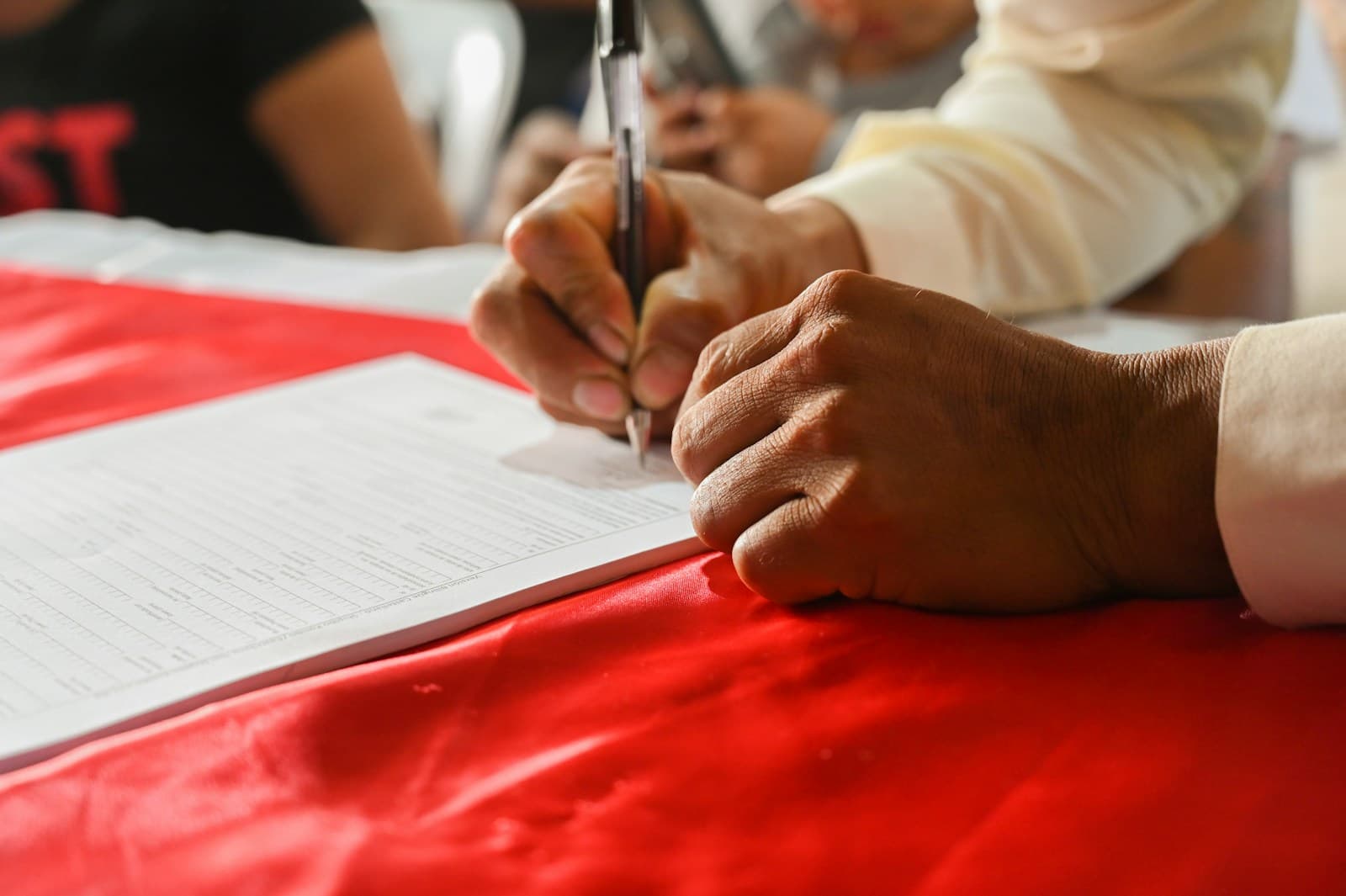
Request counsel out loud at your first court appearance, before entering a plea. Do not wait for the judge to ask if you need counsel. Many judges move through arraignment calendars quickly and will interpret silence as a waiver. Say clearly: "I cannot afford an attorney and I am requesting appointed counsel."
Bring documentation of your income and expenses. Most courts use an indigency affidavit that asks for your gross monthly income, rent or mortgage payment, utility costs, and dependent support obligations. The court compares your net income to a statutory threshold, typically 125 percent of the federal poverty guideline. A single adult earning less than approximately $1,600 per month qualifies in most jurisdictions. A family of four earning less than approximately $3,300 per month typically qualifies.
If the judge denies your request on the record, ask the judge to state the reason for the denial. Courts must apply the state's indigency standard and cannot deny counsel based solely on the fact that you are employed. If you are denied, state clearly: "I am requesting that the court's denial be entered in the record." This preserves the issue for appeal.
Why Partial Indigency Does Not Disqualify You in Most States
Many states allow courts to appoint counsel even when you earn slightly above the indigency threshold, provided you agree to reimburse the court for a portion of the attorney's fees. This is called partial indigency or ability-to-pay assignment. The court appoints a public defender or contract attorney immediately, and you are billed after the case concludes.
Florida Statute 27.52 allows courts to order reimbursement for public defender services based on the defendant's ability to pay, assessed after disposition. Michigan Court Rule 6.005(H) permits courts to appoint counsel and later enter a reimbursement order if the defendant's financial condition improves during the case. Ohio Revised Code 120.04 authorizes courts to require partial reimbursement on a sliding scale based on income.
If you are employed but your net income after housing and dependent costs is minimal, request partial indigency at arraignment. Courts are more willing to appoint counsel under this structure because it shifts the financial burden back to you over time without delaying representation. Reimbursement orders are typically structured as monthly payments of $25 to $100, depending on your income.
When Insurance Filing Requirements Intersect with Criminal Defense
DWLS convictions in nearly every state trigger mandatory SR-22 filing requirements, even when the original suspension did not require SR-22. Courts do not explain this consequence during sentencing because SR-22 is an administrative requirement enforced by the DMV, not the criminal court. The filing period typically extends two to three years beyond your license reinstatement date.
Carriers treat DWLS convictions as higher-severity violations than the underlying suspension cause for underwriting purposes. A driver with a DWLS conviction after a DUI suspension will pay higher premiums than a driver with only the DUI suspension, even though both drivers have the same underlying offense. The DWLS conviction signals to underwriters that the driver made a second decision to drive illegally, which elevates risk classification.
Once your criminal case is resolved and your extended suspension period is served, you will need to file SR-22 before the DMV will reinstate your license. SR-22 after DWLS conviction requires finding a carrier willing to write high-risk policies in your state. Most drivers pay between $120 and $240 per month for minimum liability coverage with SR-22 filing, depending on the state and the number of prior violations.