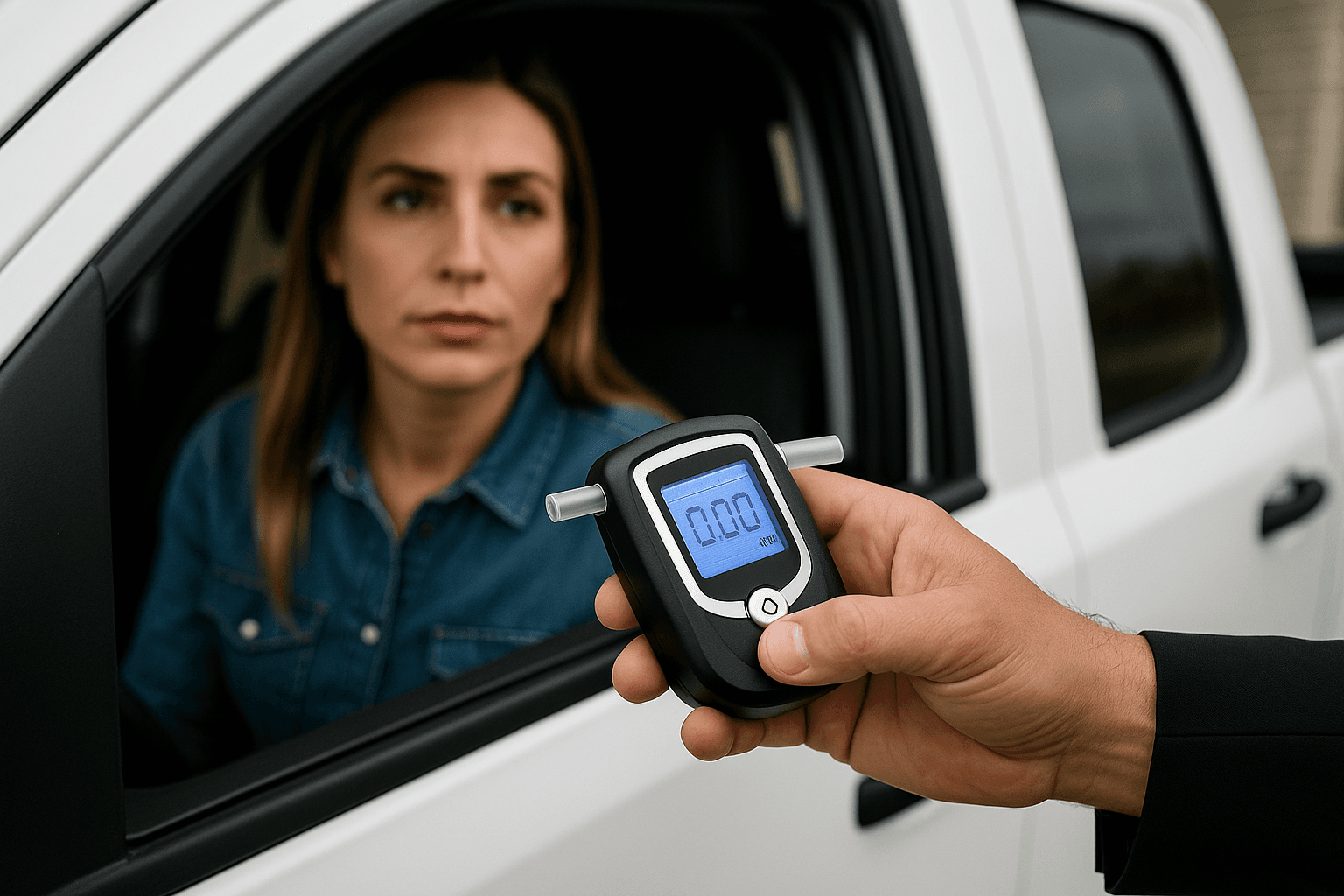
You were already suspended for DUI—then got caught driving. Now you face criminal DWLS charges on top, doubled suspension periods, extended SR-22 filing, and a carrier underwriting flag worse than the original offense.
Why DWLS After DUI Is Treated as a Separate Criminal Tier in Most States
Driving While License Suspended after a DUI conviction is not simply an administrative violation—it is a criminal offense prosecuted more aggressively than DWLS for other causes. In 19 states, DWLS during a DUI-related suspension elevates to an automatic felony on first offense, even without priors or aggravating factors like an accident. States including Florida, Georgia, Illinois, Ohio, and Wisconsin classify this as aggravated DWLS or a separate statutory offense with mandatory minimum jail sentences ranging from 10 days to 6 months.
The severity stems from the underlying DUI suspension itself. Courts and prosecutors view driving during a DUI suspension as evidence of disregard for public safety orders specifically imposed to protect others from impaired drivers. Unlike DWLS for unpaid fines or insurance lapses—administrative failures—DWLS after DUI is framed as willful defiance of a court-ordered safety restriction. This framing drives harsher sentencing guidelines, less discretionary leniency from judges, and denial of hardship or occupational driving privileges that might otherwise be available for first-time DWLS offenders.
The compound charge also extends your suspension period significantly. Most states add 6 to 12 months on top of your remaining DUI suspension, and the new DWLS period does not run concurrently—it stacks. If you had 8 months left on your DUI suspension when you were caught driving, you now face 8 months plus the additional DWLS penalty, plus any time added for failing to comply with DUI education or ignition interlock requirements you may have missed while driving illegally.
How Insurance Carriers Underwrite DWLS After DUI Differently Than Single-Cause Suspensions
Insurance underwriting systems treat DWLS after DUI as a distinct violation category separate from either DUI alone or DWLS for other causes. Carriers flag this combination as a compound high-risk profile because it signals two decision failures: the initial impaired driving and the subsequent choice to drive while prohibited. This dual pattern produces higher claim frequency in actuarial models, and carriers price accordingly.
Standard and preferred carriers exit immediately. State Farm, Allstate, Progressive standard divisions, and GEICO will non-renew or deny new applications for drivers with both a DUI and a DWLS conviction within the past 3 years. You will be routed to non-standard carriers—Bristol West, The General, National General, Acceptance Insurance—or state assigned-risk pools. Non-standard premiums for DWLS after DUI typically range from $220 to $380 per month for minimum liability coverage, compared to $140 to $210 for DUI alone or $110 to $180 for DWLS from other causes. The premium delta reflects the compounded underwriting risk, not just doubled coverage.
SR-22 filing periods are also extended. While a standalone DUI typically requires 3 years of SR-22 in most states, DWLS after DUI extends that period by 1 to 2 additional years in 14 states. California, Texas, and Florida add 2 years; Ohio, Illinois, and Michigan add 1 year. The extended filing period means longer exposure to non-standard pricing and delayed return to standard-market eligibility even after your license is fully reinstated.
Compare car insurance rates in your state
Get quotes from licensed carriers — no obligation, no spam, results in minutes.
Get Your Free Quote✓ No Obligation Required✓ Licensed Carriers Only✓ Available Nationwide✓ Free to Compare
State-Specific DWLS After DUI Classifications and Sentence Ranges
Florida prosecutes DWLS during a DUI-related suspension as a third-degree felony under Florida Statute 322.34(2)(b), carrying 5 years maximum prison and a $5,000 fine. Judges impose mandatory minimum sentences of 10 days jail on first conviction, 30 days on second. No hardship or business-purposes license is available during or after a DWLS conviction until the full suspension period is served and reinstatement is completed.
Georgia classifies DWLS during DUI suspension as a high and aggravated misdemeanor under OCGA 40-5-121(b), with mandatory 2 days jail, up to 12 months total, and a $1,000 to $2,500 fine. A second DWLS after DUI within 5 years becomes a felony with 10 days mandatory minimum and up to 5 years prison. Georgia does not allow limited permits or ignition interlock permits after a DWLS conviction—you serve the full suspension period without driving privileges.
Illinois treats DWLS during a DUI-related revocation as a Class 4 felony under 625 ILCS 5/6-303(d-3), with 1 to 3 years prison and up to $25,000 fine. First-time offenders without prior felonies may receive probation, but the conviction permanently bars eligibility for a Monitoring Device Driving Permit (MDDP) or restricted driving relief. Your license remains revoked until you complete the full statutory revocation period, pay reinstatement fees, and prove financial responsibility through SR-22 filing.
Ohio prosecutes DWLS during an Administrative License Suspension or court-ordered DUI suspension as a first-degree misdemeanor under ORC 4510.14, carrying up to 180 days jail and a $1,000 fine. A second offense becomes a fourth-degree felony with 6 to 18 months prison. Ohio does allow occupational driving privileges after DWLS conviction, but only if the underlying DUI suspension permits it and you install an ignition interlock device—judges deny most DWLS-after-DUI petitions as a matter of discretion.
Texas charges DWLS during DUI suspension as a Class A misdemeanor under Transportation Code 521.457, with up to 1 year jail and a $4,000 fine. A second conviction becomes a state jail felony with 180 days to 2 years prison. Texas does not permit occupational licenses during the additional suspension period imposed for DWLS, and reinstatement requires completion of the DWI Education Program or intervention program you may have skipped while driving illegally.
Why Hardship and Occupational Licenses Are Denied or Restricted After DWLS
Most states explicitly prohibit or severely restrict hardship driving privileges after a DWLS conviction, regardless of the original suspension cause. Judges and DMV hearing officers view the DWLS itself as evidence that the driver cannot be trusted to comply with restricted driving terms. If you violated a total suspension, the reasoning goes, you are more likely to violate the narrow boundaries of a hardship license.
States that categorically deny hardship relief after DWLS include Florida, Georgia, Virginia, North Carolina, and Tennessee. You must serve the entire stacked suspension period without any driving privileges. Other states—Ohio, Illinois, Michigan, Texas, Wisconsin—allow judges discretion to grant occupational or restricted licenses after DWLS, but approval rates are significantly lower than for first-time DUI suspensions. Petitions are routinely denied unless you can demonstrate all of the following: completion of all DUI education or treatment programs, installation of an ignition interlock device at your own expense, proof of SR-22 filing, payment of all court fines and reinstatement fees, and a verified employment or family necessity that cannot be met through public transportation or rideshare.
Even when granted, post-DWLS hardship licenses carry stricter terms. Route restrictions are narrower—work only, no detours for errands or family obligations. Violation consequences are harsher—a single noncompliance incident triggers immediate revocation with no second hearing. Some states require weekly or biweekly monitoring check-ins at the DMV or probation office. The administrative burden and risk of further penalties make post-DWLS hardship licenses functionally unworkable for many drivers.
The Actual Cost Stack: Criminal Defense, Fines, Extended SR-22, and Reinstatement
A DWLS after DUI conviction produces a cost stack significantly higher than the original DUI alone. Criminal defense attorney fees for misdemeanor DWLS range from $1,500 to $4,000; felony DWLS defense ranges from $5,000 to $15,000 depending on state and complexity. Public defenders are available in most jurisdictions, but eligibility is income-limited and representation quality varies.
Court fines and fees for DWLS convictions range from $500 to $5,000 depending on state and offense tier. Florida's third-degree felony DWLS carries up to $5,000 in fines plus court costs. Georgia's high and aggravated misdemeanor adds $1,000 to $2,500. Illinois felony DWLS can reach $25,000, though judges typically impose lower amounts on first offenders. These fines are separate from and in addition to your original DUI fines, which must also be paid in full before reinstatement.
SR-22 filing fees are $25 to $50 one-time, but the extended filing period increases total insurance cost dramatically. If your state extends SR-22 by 2 years and your non-standard premium is $280/month, the additional filing period costs $6,720 in premiums beyond what you would have paid for the DUI alone. Most drivers cannot return to standard-market carriers until 3 years after their SR-22 filing period ends, meaning you remain in non-standard pricing for 5 to 7 years total after a DWLS-after-DUI conviction.
Reinstatement fees are doubled in some states after DWLS. Ohio charges $475 base reinstatement plus an additional $475 for DWLS convictions, totaling $950. Illinois charges $500 for DUI reinstatement plus $250 for DWLS. Texas charges $125 for DUI reinstatement plus $100 annual surcharges for 3 years, but DWLS adds another $100 annual surcharge on top, extending the surcharge period. Total out-of-pocket cost for a DWLS-after-DUI conviction, including defense, fines, insurance, and reinstatement, typically ranges from $12,000 to $28,000 over the first 3 years.
What to Do Right Now If You Are Facing DWLS After DUI Charges
Hire a criminal defense attorney immediately if you are charged with DWLS during a DUI suspension. Do not attempt to handle this pro se—the criminal conviction carries jail time, extends your suspension, and creates a permanent record that affects employment and housing. Public defenders are available if you qualify financially, but private counsel familiar with your county's prosecutors and judges produces better plea outcomes in most jurisdictions. Expect to pay $1,500 to $4,000 for misdemeanor representation, more for felony charges.
Stop driving entirely until your case is resolved and your license is reinstated. A second DWLS arrest while your first case is pending converts your charge to a higher tier in most states and eliminates any remaining judicial discretion for leniency. Use rideshare, public transportation, or family assistance. The inconvenience is substantial, but the consequence of another arrest—felony charges, mandatory jail, and years of additional suspension—is catastrophic.
Begin complying with all DUI suspension requirements immediately, even if you have not yet been convicted of DWLS. Complete your DUI education or treatment program, install an ignition interlock device if required, and pay all outstanding fines. Judges consider compliance history when sentencing DWLS convictions and ruling on post-conviction hardship petitions. Demonstrating full compliance after your arrest improves your odds of probation instead of jail and may preserve eligibility for restricted driving relief in states where it is discretionary.
Obtain SR-22 insurance as soon as you are eligible to file. Some states require SR-22 filing before reinstatement; others allow filing concurrent with reinstatement. Contact non-standard carriers—Bristol West, The General, Acceptance Insurance, National General—and request quotes for SR-22 policies. Expect premiums of $220 to $380 per month for minimum liability coverage. SR-22 after DWLS conviction is nearly universal across all states, even where your original DUI suspension did not require it. Do not delay filing—most states impose additional suspension time if you fail to maintain continuous SR-22 coverage once filed.