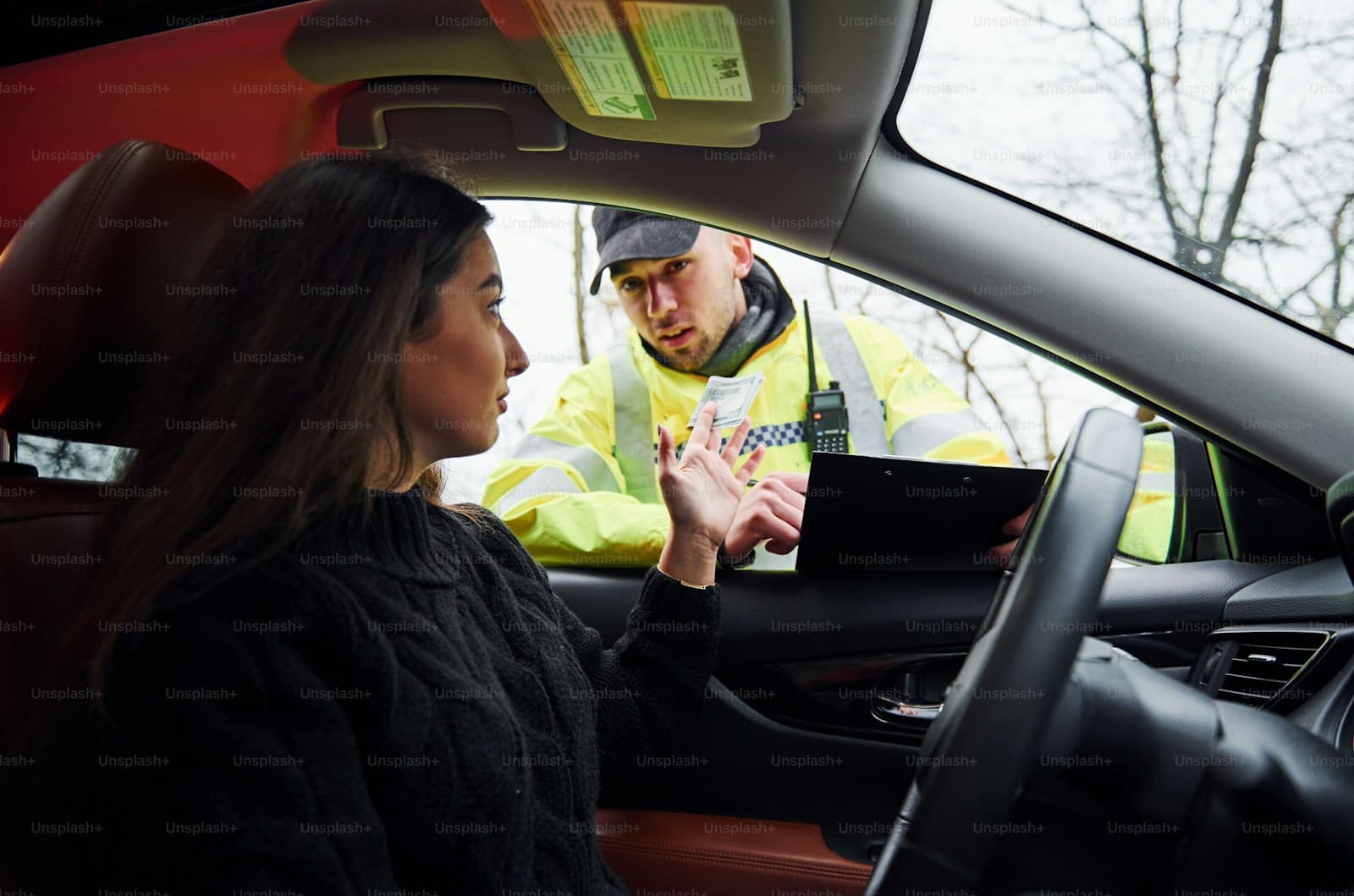
Seventeen states allow law enforcement to impound or permanently forfeit your vehicle after a driving-while-suspended conviction. Most drivers discover this rule only after their car is already in the impound lot.
Which States Allow Vehicle Forfeiture for Driving While Suspended
Seventeen states authorize vehicle impoundment or forfeiture as an administrative penalty triggered by a driving-while-suspended arrest. California, Arizona, Illinois, Ohio, Florida, Georgia, North Carolina, Virginia, Michigan, Minnesota, Colorado, Oregon, Nevada, Indiana, Tennessee, Wisconsin, and New York all maintain statutory authority for vehicle seizure tied to DWLS violations. The specific triggers, holding periods, and forfeiture thresholds vary by state.
California's Vehicle Code Section 14602.6 is the broadest: law enforcement must impound the vehicle for 30 days on a first DWLS arrest, regardless of who owns the car. Arizona requires a 30-day impound for any suspended-license driving but allows third-party owners to retrieve the vehicle with proof of ownership and insurance. Illinois authorizes immediate tow and holds the vehicle until the criminal case resolves, often 60 to 90 days before an administrative hearing determines forfeiture.
Most forfeiture statutes apply to repeat offenders or aggravated DWLS — driving while suspended after a DUI suspension, driving after multiple suspensions, or driving suspended with priors. Florida's statute targets habitual offenders: three DWLS convictions within five years opens the door to permanent forfeiture. Ohio law permits forfeiture when the original suspension was DUI-related and the driver has two prior DWLS convictions. North Carolina allows forfeiture after a second DWLS conviction within a three-year period, measured from arrest dates.
Some states differentiate by suspension cause. Michigan's forfeiture authority applies only when the underlying suspension was for DUI, habitual negligent operation, or vehicular manslaughter. Colorado requires proof that the driver knowingly operated while suspended and that the suspension was for a prior DUI or DWAI. Virginia's forfeiture statute covers felony DWLS after DUI suspension but not misdemeanor DWLS triggered by unpaid fines or insurance lapses.
When Forfeiture Is Administrative Penalty, Not Criminal Punishment
Vehicle forfeiture operates as a civil administrative proceeding separate from the criminal DWLS case. The impound happens at arrest. The forfeiture determination happens weeks or months later through a hearing conducted by the DMV, a county attorney's office, or a municipal forfeiture unit — not the criminal court handling the DWLS charge.
This timing structure creates a trap. The criminal defense attorney handling your DWLS case does not automatically represent you in the forfeiture proceeding. You must file a separate challenge within a narrow window, typically 10 to 30 days from the date of impound or from the date of the forfeiture notice mailed to the registered owner. Missing that deadline forfeits your right to contest — the vehicle becomes state property by default even if the criminal DWLS charge is later dismissed or reduced.
California provides a 10-day window from impound to request a hearing before the DMV. Arizona allows 15 days. Illinois allows 45 days but counts from the date of notice, not the date of impound, so many owners lose days before the notice arrives. Ohio's statute requires the challenge within 60 days, but once that deadline passes the county prosecutor can sell the vehicle at auction without further hearing.
The burden of proof in forfeiture hearings varies. Some states require the government to prove by preponderance of evidence that the vehicle was used in commission of a DWLS violation and that forfeiture serves a legitimate law enforcement purpose. Other states shift the burden: the vehicle owner must prove an innocent-owner defense, hardship, or that forfeiture is disproportionate to the offense. Most hearings do not allow jury trial. The decision is administrative, made by a hearing officer or magistrate whose ruling is difficult to appeal.
Compare car insurance rates in your state
Get quotes from licensed carriers — no obligation, no spam, results in minutes.
Get Your Free Quote✓ No Obligation Required✓ Licensed Carriers Only✓ Available Nationwide✓ Free to Compare
Innocent Owner Defenses and Third-Party Ownership Complications
Most forfeiture statutes recognize an innocent-owner exception — if someone other than the driver owns the vehicle and did not know or consent to the suspended-license driving, they can petition for return of the vehicle. The standard of proof required to establish innocence varies by state.
California's statute allows a registered owner who is not the driver to retrieve the vehicle before the 30-day impound ends if they file a declaration stating they did not know the driver's license was suspended and did not consent to the driver using the vehicle. Arizona requires the innocent owner to show they took reasonable steps to prevent the driver's use, which courts have interpreted to mean asking for proof of a valid license or explicitly forbidding the driver from using the car.
Spouses, parents, and co-owners face higher scrutiny. Illinois courts have ruled that a spouse's claim of innocence fails if the spouse knew the driver's license was suspended at any point during the marriage, even if the spouse did not know the driver was using the car on the specific day of the arrest. Florida courts hold that parents who allow adult children to live in the household and have access to vehicle keys are presumed to have consented to use unless they can prove they took affirmative steps to restrict access.
Lien holders — banks and finance companies — are usually notified and given an opportunity to retrieve the vehicle by paying impound and storage fees. Most lenders do not exercise this right unless the vehicle's equity exceeds the total debt and fees. If the lender declines and the owner cannot pay, the vehicle goes to auction and the lender's lien is extinguished without the owner receiving any surplus.
Co-owners face joint liability for impound and storage fees even when they were not the driver and assert an innocent-owner defense. California charges $1,500 to $2,500 in administrative release fees plus daily storage starting at $50 per day. Ohio charges a $200 processing fee, tow fee typically $150 to $300, and storage at $35 to $60 per day. By the time the innocent-owner hearing occurs 30 to 60 days later, total fees often exceed the vehicle's value for older cars.
Impound Storage Fees and Release Conditions Before Forfeiture Hearing
Even when forfeiture has not yet been determined, the vehicle sits in a contracted impound lot accruing daily storage fees from the day of seizure. These fees continue to accumulate regardless of whether the owner files a challenge, whether the criminal case is pending, or whether the driver is in jail unable to address the impound.
Typical daily storage rates range from $35 to $75 per day depending on the jurisdiction and the contractor. California's contracted lots charge $50 to $60 per day for standard vehicles, $75 to $100 for oversized vehicles or trucks. Arizona's standard rate is $40 per day. Illinois rates vary by county, typically $45 to $65 per day in Cook County, lower in rural counties.
The initial tow fee is billed separately, typically $150 to $400 depending on distance and vehicle type. Administrative processing fees imposed by the state or county add another $100 to $300. Some states impose a separate forfeiture-investigation fee or administrative-hearing fee regardless of the outcome.
If the owner prevails at the forfeiture hearing or the state declines to pursue forfeiture, the owner must still pay all accrued fees before the vehicle is released. California law allows the hearing officer to reduce or waive fees in cases of demonstrated hardship, but this discretion is rarely exercised. Ohio statute requires full payment regardless of the outcome unless the DWLS charge is dismissed outright and the prosecutor agrees in writing to waive fees.
For vehicles held 30 to 90 days pending hearing, total fees often range from $2,000 to $6,000. Many owners facing these totals abandon the vehicle rather than pay. The impound lot then sells the vehicle at auction, applies proceeds to the fees, and remits any surplus to the county. Most vehicles generate no surplus.
How DWLS Conviction Affects SR-22 Filing Duration and Insurance Costs
A driving-while-suspended conviction almost universally triggers SR-22 filing requirements even when the original suspension cause did not require it. The filing period is typically extended by one to three years beyond what the original suspension would have required.
If the original suspension was for unpaid fines or failure to appear — violations that do not require SR-22 in most states — the subsequent DWLS conviction converts the case into an SR-22-required scenario. Ohio requires three years of SR-22 filing after any DWLS conviction. California requires three years. Illinois requires three years for DWLS after a DUI-related suspension, two years for other DWLS cases. Florida requires three years of FR-44 filing (the state's high-limit SR-22 equivalent) after any DWLS involving a prior alcohol-related suspension.
If the original suspension already required SR-22, the DWLS conviction typically restarts the filing period from the date of the DWLS conviction, not from the original suspension. A Texas driver suspended for DUI normally files SR-22 for two years. If caught driving during that suspension and convicted of DWLS, the SR-22 clock resets and the driver now files for an additional two years starting from the DWLS conviction date.
Insurance carriers treat DWLS convictions as a heavier underwriting flag than the original suspension cause. Standard and preferred carriers typically decline coverage entirely. The driver must place with a non-standard carrier that writes high-risk policies. Monthly premiums for SR-22 liability-only coverage after a DWLS conviction typically range from $140 to $280 per month depending on state, age, original violation, and prior insurance history. Drivers with both a DUI suspension and a subsequent DWLS conviction often face premiums of $200 to $350 per month for minimum-liability SR-22 policies.
Non-owner SR-22 policies are available for drivers who lost their vehicle to forfeiture or who do not own a car. These policies meet the SR-22 filing requirement and provide liability coverage when driving borrowed or rented vehicles. Monthly cost typically ranges from $60 to $120 per month depending on state and violation history.
Reinstatement Path After DWLS Conviction and Vehicle Forfeiture
Reinstatement after a DWLS conviction requires resolving both the criminal case and the administrative suspension stack. The criminal DWLS conviction adds new suspension time on top of the original suspension period. Most states stack the periods consecutively, not concurrently.
The first step is resolving the criminal DWLS charge. Misdemeanor DWLS typically allows plea negotiation. Felony DWLS in repeat-offender states or after DUI-suspension DWLS often requires defense counsel. Jail time is discretionary in most first-offense misdemeanor DWLS cases but mandatory in many repeat-offender or felony DWLS cases. Ohio imposes mandatory minimum jail starting at five days for second-offense DWLS. Florida's habitual-offender DWLS statute carries a mandatory minimum of one year in jail.
Once the criminal case concludes, the driver must serve the additional suspension period imposed by the DWLS conviction. California adds two years of additional suspension for any DWLS conviction. Ohio adds one to three years depending on priors. Illinois adds one year for first-offense DWLS, longer for repeat offenses. This new suspension period does not begin until the original suspension period ends unless the court orders concurrent service.
While serving the suspension, the driver must satisfy all requirements triggered by the original suspension cause: DUI education, victim impact panel, IID installation if required, payment of court fines and fees, proof of insurance. The DWLS conviction often adds new fines, court costs, and its own set of conditions. Total fines and fees for both the original cause and the DWLS conviction typically range from $1,500 to $5,000.
Once all suspension time is served and all requirements completed, the driver files for reinstatement. The reinstatement fee is typically doubled or imposed separately for each violation. Ohio charges $475 for DUI reinstatement plus an additional $475 for DWLS reinstatement, total $950. California charges $125 for license reissue but impounds the fee debt if prior fees remain unpaid. Illinois charges $500 for DUI reinstatement and an additional $250 for DWLS reinstatement if the violations were charged separately.
SR-22 filing must be active at the time of reinstatement application and must remain active for the full filing period after reinstatement. If the SR-22 lapses at any point during the filing period, the license is suspended again and the driver returns to square one.
What To Do If Your Vehicle Was Seized After DWLS Arrest
If your vehicle was impounded after a DWLS arrest, act within the state's challenge deadline. California allows 10 days. Arizona allows 15 days. Illinois allows 45 days from notice. Missing the deadline forfeits your claim.
Request the administrative hearing in writing to the agency listed on the impound notice or forfeiture notice. The notice typically identifies the county attorney's office, municipal forfeiture unit, or DMV hearing bureau. File by certified mail and keep the receipt. If you are the registered owner but were not driving, state your innocent-owner claim explicitly in the request and attach proof of ownership.
If you are the driver and the registered owner, the challenge must argue that forfeiture is disproportionate to the offense, that the state's statute does not authorize forfeiture under the specific facts, or that the arrest was unlawful. These arguments are difficult to win without counsel. Consult a criminal defense attorney who handles forfeiture cases in your jurisdiction.
If the vehicle is financed, notify the lender immediately. The impound lot is required to notify lien holders but often delays. The lender may retrieve the vehicle by paying fees, then pursue you for reimbursement. If the lender declines, you lose both the vehicle and any equity.
If you cannot afford the storage fees and the vehicle's value is low, abandonment may be the rational choice. The vehicle will be sold at auction and you will owe nothing further. If the vehicle has significant value or sentimental importance, paying the fees and retrieving the vehicle before the forfeiture hearing may be necessary even if you plan to challenge forfeiture.
Insurance companies do not cover impound fees or forfeiture. Comprehensive coverage does not apply because the loss is a government seizure, not theft or damage. If the vehicle is totaled or sold at auction after forfeiture, the finance company will pursue you for the deficiency balance if the auction proceeds do not cover the loan.