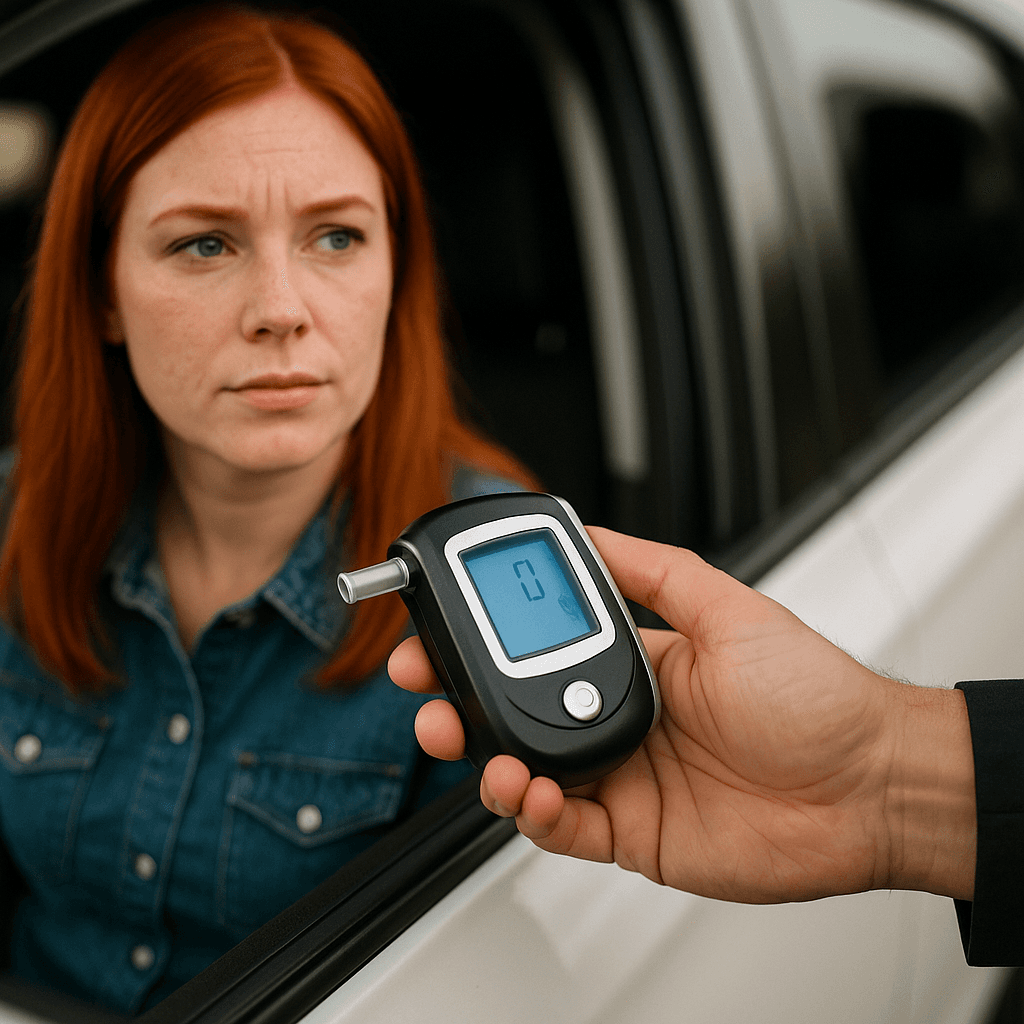
Most states classify first-offense DWLS as misdemeanor, but fewer than half offer pretrial diversion that closes the criminal case without conviction. Whether your state allows diversion determines whether the charge stays on your record permanently and how SR-22 filing is triggered.
Why Diversion Eligibility Matters More Than Sentence Length
You were caught driving on a suspended license. The prosecutor offered a plea deal with probation and fines. What they did not tell you: 12 states allow pretrial diversion that closes the case with no conviction if you complete a supervision period and meet conditions.
A conviction triggers mandatory SR-22 filing for 3 years in most states, adds points to your record, and produces a criminal misdemeanor entry that carriers flag during underwriting. Diversion completion results in case dismissal — no conviction, no criminal record entry, and in some states no automatic SR-22 requirement if the underlying suspension cause did not already mandate filing.
Prosecutors rarely advertise diversion. Defense counsel must request it, and eligibility windows close quickly after arraignment in most jurisdictions. The map below shows which states offer diversion for first-offense DWLS, which restrict it by underlying suspension cause, and which bar it entirely.
States That Allow DWLS Diversion for First Offenders
Illinois, Michigan, Ohio, Indiana, Minnesota, Colorado, Oregon, Washington, Maryland, and Massachusetts maintain pretrial diversion programs accessible to first-offense DWLS defendants with no prior DWLS convictions. Eligibility typically requires the underlying suspension was not DUI-related and the defendant has no open warrants or pending criminal cases.
Illinois calls it court supervision. Michigan uses delayed sentence or deferred entry of judgment depending on county. Ohio offers intervention in lieu of conviction (ILC) statewide. Colorado's diversion is county-specific — Denver allows it, but El Paso County does not. Washington requires completion of relicensing steps during the supervision period as a condition for dismissal.
Each program imposes conditions: complete the relicensing process, pay all reinstatement fees and fines, maintain valid insurance or SR-22 filing if required by the underlying cause, and avoid new arrests during supervision. Supervision periods range from 90 days to 12 months depending on jurisdiction. Completion results in case dismissal. Violation of conditions converts diversion into a conviction and the original DWLS charge proceeds to sentencing.
Compare car insurance rates in your state
Get quotes from licensed carriers — no obligation, no spam, results in minutes.
Get Your Free Quote✓ No Obligation Required✓ Licensed Carriers Only✓ Available Nationwide✓ Free to Compare
States That Bar Diversion or Restrict by Underlying Suspension Cause
Texas, Florida, Georgia, North Carolina, Tennessee, Virginia, and Arizona do not offer pretrial diversion for DWLS cases at any tier. First-offense DWLS is prosecuted as a misdemeanor and plea agreements result in conviction with probation or jail depending on aggravators and priors.
California allows diversion only when the underlying suspension was not DUI-related, no accident occurred, and the defendant has no prior DWLS convictions. New York restricts diversion to suspension causes classified as administrative (license lapse, unpaid fines) — DUI suspension cases are ineligible statewide. Pennsylvania offers ARD (Accelerated Rehabilitative Disposition) for some traffic offenses but DWLS is typically excluded unless the suspension was for failure to respond to a citation rather than a substantive violation.
The distinction matters because DWLS after DUI suspension is the most common scenario and also the scenario most often excluded from diversion eligibility. If your original suspension was DUI-related, assume diversion is unavailable in most states and expect a conviction outcome even on first offense.
How Diversion Affects SR-22 Filing Duration and Insurance Cost
Diversion completion avoids a DWLS conviction, but it does not erase the underlying suspension cause. If your original suspension required SR-22 filing — for example, DUI, uninsured driving, or excessive points — that filing requirement remains in effect regardless of diversion outcome. Completing diversion for the DWLS charge does not shorten the SR-22 period imposed by the original cause.
The insurance advantage appears when the original suspension did not require SR-22. If your license was suspended for unpaid tickets or failure to appear and your state does not mandate SR-22 for those causes, diversion avoids the DWLS conviction that would have triggered SR-22. The difference in premium: DWLS convictions typically produce rate increases of 60 to 90 percent over three years. Diversion avoids that penalty entirely.
States with diversion programs may still impose SR-22 filing administratively during the diversion supervision period as a condition for relicensing. Check with your state DMV whether SR-22 is required to lift the suspension even if the DWLS case is diverted. The filing requirement and the conviction are separate triggers controlled by different agencies.
Timeline: When to Request Diversion and What Happens If You Miss the Window
Diversion requests must be filed before plea entry in most jurisdictions. The standard window is 14 to 30 days after arraignment depending on local court rules. If you plead guilty or no contest at arraignment without requesting diversion, the window closes and the conviction is entered immediately.
Defense counsel files a motion for pretrial diversion citing eligibility under the state's diversion statute. The prosecutor reviews the motion and either consents or objects. Consent is more likely when the underlying suspension was administrative, no accident occurred, the defendant has begun the relicensing process, and no prior DWLS convictions exist on record. Objection is standard when the suspension was DUI-related, the defendant has open warrants, or prior diversions were granted for other offenses.
If the motion is granted, the court places the case on the diversion docket and imposes supervision conditions. Supervision lasts 90 days to 12 months. The defendant must complete relicensing, pay all fees, maintain insurance, and avoid new arrests. At the end of supervision, the court reviews compliance. Full compliance results in case dismissal with no conviction entered. Partial compliance or new violations result in termination of diversion and the DWLS charge proceeds to conviction and sentencing.
What to Do If Your State Does Not Offer Diversion
If your state bars diversion or you are ineligible because the underlying suspension was DUI-related, the goal shifts to minimizing sentence severity and managing SR-22 filing cost. First-offense DWLS without aggravators typically results in probation, fines, and community service rather than jail in most states. Aggravators that increase sentence severity: accident involved, prior DWLS convictions, suspension was for DUI, or the defendant was also charged with another offense at the time of the stop.
Hire defense counsel if jail is a possibility at your charge tier or if the prosecutor is seeking mandatory minimums. Counsel can negotiate plea terms that avoid jail, reduce fines, and structure probation conditions around work and relicensing obligations. Public defenders are available if you qualify financially — DWLS is a criminal charge and you have a right to counsel.
Once convicted, the SR-22 filing period begins. DWLS convictions typically add 1 to 3 years to the filing period imposed by the original suspension cause depending on state rules. Carriers treat DWLS as a higher underwriting flag than the original cause because it signals judgment risk — the driver chose to drive while prohibited. Expect premium increases of 60 to 90 percent over baseline suspended-driver rates. SR-22 after DWLS conviction coverage is available through high-risk carriers but shop carefully because rate variation is extreme at this tier.
Geographic Variation: County-Level Diversion Policies Within the Same State
Statewide diversion statutes exist in Illinois, Ohio, Michigan, and Minnesota, but county prosecutors control access. Cook County, Illinois grants court supervision in approximately 70 percent of first-offense DWLS cases where the defendant has started the relicensing process. DuPage County grants it in fewer than 30 percent and requires proof of completed relicensing before diversion approval.
Franklin County, Ohio (Columbus) uses intervention in lieu of conviction broadly for first-offense DWLS cases. Hamilton County, Ohio (Cincinnati) restricts it to cases where the underlying suspension was for failure to pay fines and the defendant has paid all arrears before the motion is filed. Cuyahoga County, Ohio (Cleveland) offers diversion but only if the defendant enrolls in a driver responsibility program during supervision.
Colorado's variation is the most extreme. Denver County offers diversion for first-offense DWLS in nearly all cases unless the suspension was DUI-related. El Paso County (Colorado Springs) does not offer diversion for DWLS at any tier and treats first offense as a mandatory-conviction charge. The difference is prosecutorial policy, not statutory variation — the state diversion statute applies statewide but county district attorneys choose whether to implement it.
If you are charged in a jurisdiction with restrictive diversion policy, ask defense counsel whether refiling in a neighboring jurisdiction is possible if you were stopped near a county line. Some defendants successfully argue venue and move the case to a more favorable jurisdiction when the stop occurred within a few miles of the border.