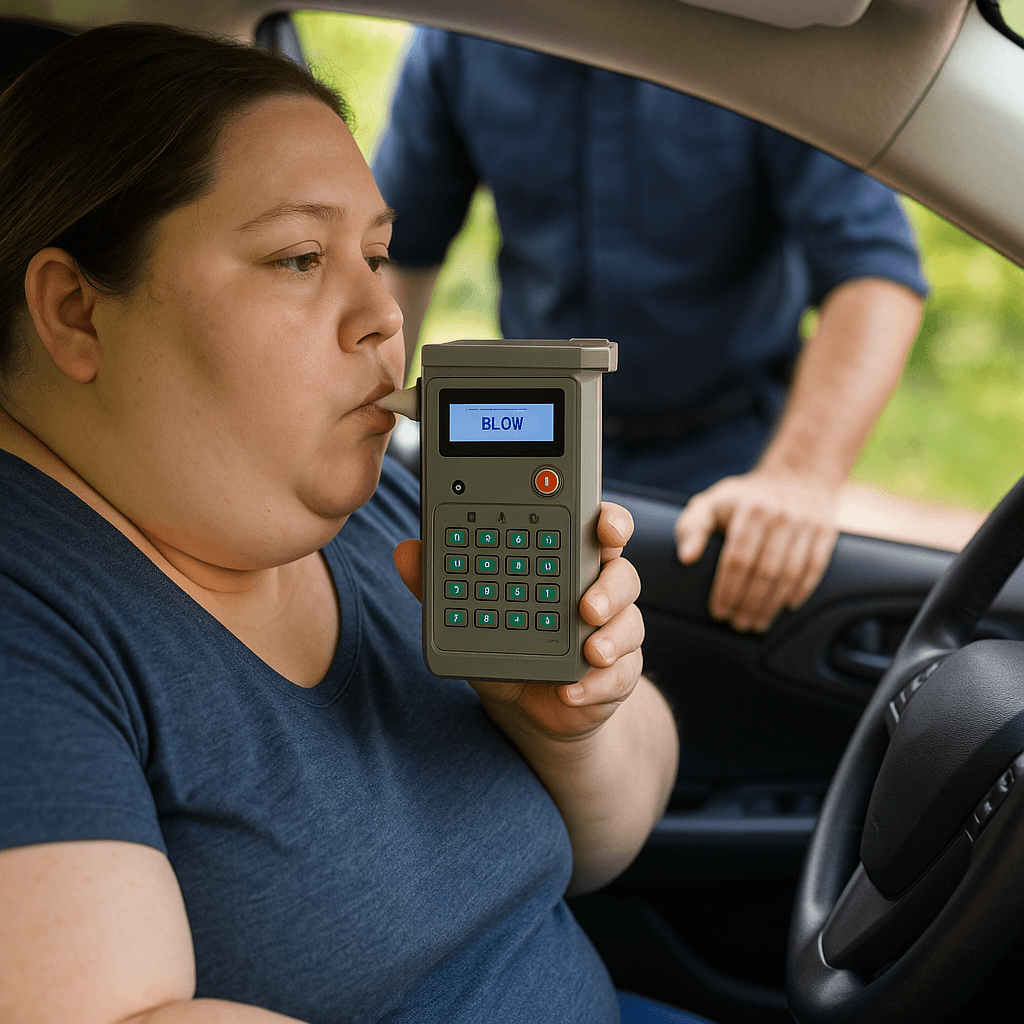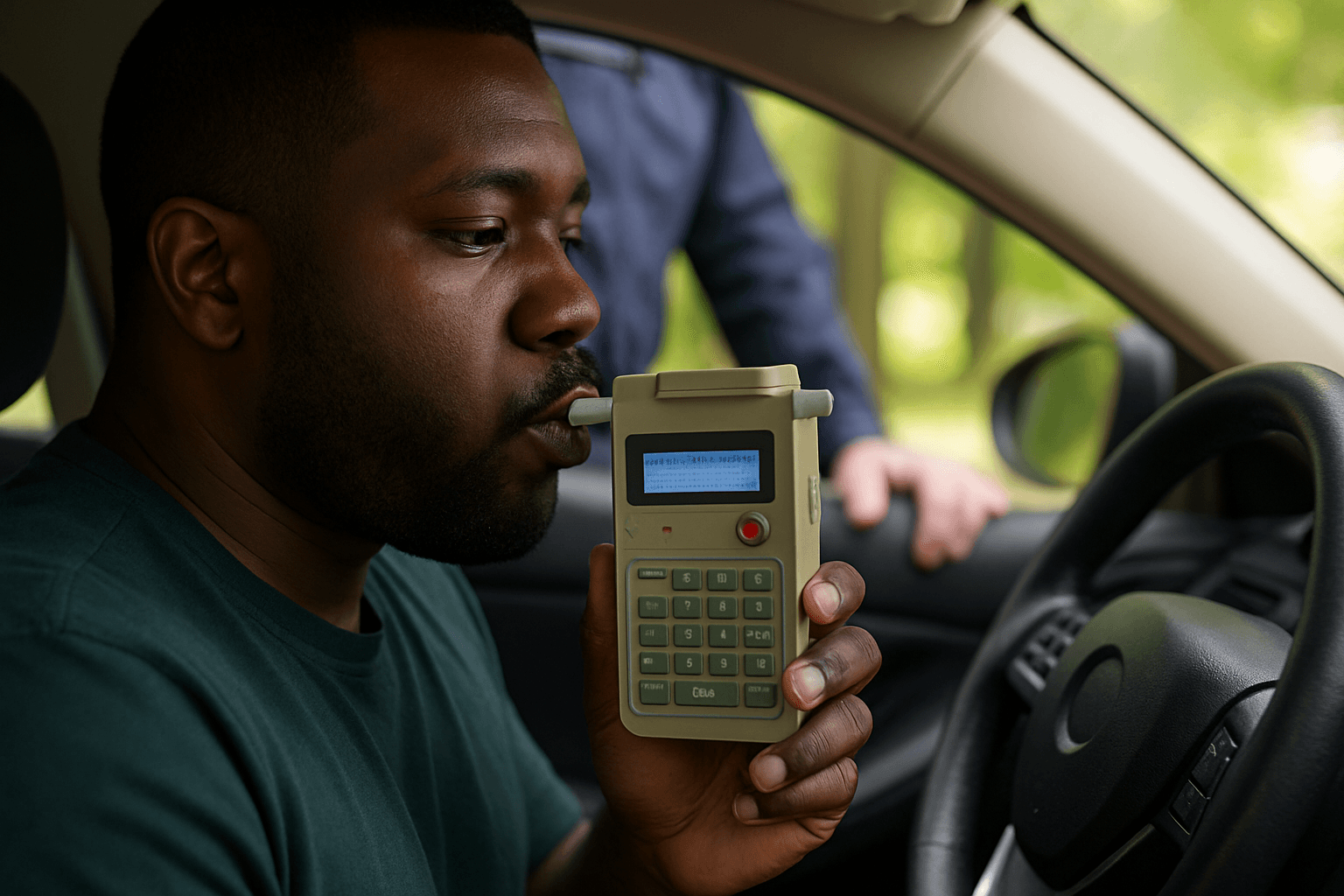
Delaware treats first-offense driving while suspended as a misdemeanor with fines and possible jail, but if the original suspension was DUI-related or you caused an accident, the charge escalates to a felony with mandatory minimums.
What Makes a Delaware DWLS Charge Escalate from Misdemeanor to Felony
Delaware law divides driving while suspended charges into tiers based on what caused the original suspension. First-offense DWLS is typically a misdemeanor under 21 Del. C. § 2756, carrying fines up to $1,000 and up to 30 days in jail. That baseline changes immediately if the original suspension was DUI-related under 21 Del. C. § 2742.
When the underlying suspension stems from DUI conviction or refusal of chemical testing, Delaware treats DWLS as aggravated even on first offense. The charge remains misdemeanor-labeled but carries enhanced penalties: fines up to $2,000, jail up to 60 days, and an additional 6-month license suspension stacked on top of your existing DUI suspension period.
Second or subsequent DWLS convictions within 5 years escalate to felony status regardless of the original cause. Felony DWLS carries mandatory minimum jail time (30 days minimum), fines up to $5,000, and vehicle impoundment authority. If you caused personal injury or property damage while driving on the suspended license, prosecutors can elevate the charge to felony immediately even on first offense.
Delaware also distinguishes between suspension and revocation. Driving on a revoked license (DWLR) triggers harsher baseline penalties because revocation follows more serious violations like habitual offender status or third DUI. The DMV classifies you differently depending on which administrative action was in place when you drove.
How Delaware Stacks Suspension Periods After a DWLS Conviction
A DWLS conviction does not replace your original suspension. It adds to it. The Delaware DMV imposes an additional suspension period starting from your DWLS conviction date, which runs consecutively with whatever time remained on your original suspension.
For misdemeanor DWLS (non-DUI underlying cause), expect an additional 6-month suspension. For aggravated DWLS (DUI-related underlying suspension), the DMV typically adds another 6 to 12 months depending on your prior record and whether the court imposed the maximum jail term. For felony DWLS, the additional suspension ranges from 12 to 24 months.
This stacking structure means a driver originally suspended for 3 months who is caught driving and convicted of DWLS will serve the remainder of the original 3 months plus the new 6-month DWLS suspension, for a total of at least 6 months (and often longer if the original suspension had not yet started when the DWLS occurred).
Delaware's centralized DMV structure means all suspension tracking flows through the state DMV in Dover. There is no county-level variation. The DMV calculates your total suspension period by layering each administrative action sequentially. If you had multiple overlapping suspensions before the DWLS (for example, a DUI administrative suspension and a court-ordered DUI suspension), the DWLS period stacks on top of whichever suspension period ends last.
Compare car insurance rates in your state
Get quotes from licensed carriers — no obligation, no spam, results in minutes.
Get Your Free Quote✓ No Obligation Required✓ Licensed Carriers Only✓ Available Nationwide✓ Free to Compare
Why Delaware Conditional Licenses Are Usually Unavailable After DWLS
Delaware offers a Conditional License program for drivers facing DUI-related suspensions who meet strict eligibility requirements, including proof of employment need, SR-22 insurance filing, and enrollment in Delaware's Ignition Interlock Program. That pathway becomes substantially harder or unavailable after a DWLS conviction.
The DMV views DWLS as a compliance failure: you drove despite a legal prohibition, demonstrating unwillingness to follow restrictions. Conditional License applications require the DMV to find you eligible based on both legal criteria and discretionary judgment. A DWLS conviction on your record signals high risk to the DMV evaluator, and most applications are denied unless you can demonstrate exceptional hardship and a substantial time gap since the DWLS conviction.
Even if the DMV grants a Conditional License post-DWLS, ignition interlock installation is mandatory for DUI-related cases. You will also face route restrictions limited to essential purposes like work, school, medical appointments, and court-ordered obligations. Any deviation from approved routes or times can trigger immediate revocation of the Conditional License and restart your suspension clock.
If your DWLS conviction involved an accident, injury, or property damage, the DMV will almost certainly deny Conditional License eligibility until you serve the full suspension period. Delaware's hardship program exists to help drivers maintain employment during suspensions caused by isolated mistakes, not to accommodate drivers who violated an existing suspension order.
The SR-22 Filing Requirement After Delaware DWLS Conviction
Delaware requires SR-22 insurance filing for nearly all DWLS convictions, even when the original suspension cause did not trigger SR-22. Driving while suspended signals high risk to both the state and insurance carriers, and Delaware law uses SR-22 as a continuous monitoring mechanism to ensure you maintain liability coverage throughout your extended suspension and reinstatement period.
SR-22 is not a type of insurance. It is a certificate filed by your insurance carrier with the Delaware DMV confirming you carry at least Delaware's minimum liability coverage: $25,000 per person bodily injury, $50,000 per accident bodily injury, and $10,000 property damage. The carrier files the SR-22 electronically and notifies the DMV immediately if your policy lapses or cancels for any reason.
For misdemeanor DWLS, expect a 3-year SR-22 filing period. For aggravated or felony DWLS, the filing period extends to 5 years. The clock starts from your reinstatement date, not your conviction date. If your policy lapses during the filing period, the DMV suspends your license again and the SR-22 clock restarts from zero when you reinstate.
SR-22 filing adds approximately $25 to $50 annually to your insurance costs as a processing fee, but the larger impact comes from the rate increase carriers impose for DWLS convictions. Expect premiums to increase 50% to 150% compared to your pre-suspension rates. Non-standard carriers like high-risk auto insurance specialists are often the only option immediately post-conviction; standard carriers either decline to write policies or quote rates above $200/month even for liability-only coverage.
Delaware Reinstatement Steps After Serving Your Stacked Suspension
Reinstatement after a Delaware DWLS conviction requires resolving both the criminal charge and the administrative suspension. Start by confirming your DWLS case disposition with the court. If you pleaded guilty or were convicted, obtain a certified copy of the court order showing sentencing completion, fines paid, and any probation terms satisfied.
Next, contact the Delaware DMV to request a suspension status report. This report lists every active suspension on your record, the end date for each, and any outstanding requirements like unpaid fines, unmet SR-22 filing periods, or incomplete DUI education programs. The DMV will not reinstate until every item on that list shows as satisfied.
Pay the reinstatement fee. Delaware's base reinstatement fee is $25, but DWLS convictions often trigger additional fees depending on the original suspension cause. If your underlying suspension was DUI-related, expect the total reinstatement cost to reach $200 or more once you account for the original DUI reinstatement fee, the DWLS reinstatement fee, and any unpaid court fines.
File SR-22 insurance before visiting the DMV. Your carrier must transmit the SR-22 certificate to the Delaware DMV electronically. Processing typically takes 24 to 48 hours. Do not attempt to reinstate without confirmed SR-22 filing on file with the DMV; the clerk will deny your reinstatement application and you will forfeit the reinstatement fee.
If your suspension period exceeded 12 months or you were classified as a habitual offender, Delaware may require you to retake the knowledge test and road skills test before reinstating your license. This is discretionary and depends on your driving record and the severity of the DWLS circumstances.
How Insurance Carriers Underwrite Delaware DWLS Convictions
Insurance companies treat DWLS as a red-flag violation more severe than the underlying cause because it signals intentional disregard for legal prohibitions. Underwriters view DWLS as predictive of future claims risk, and most standard carriers will non-renew your policy or decline to write a new one for 3 to 5 years post-conviction.
Non-standard carriers specialize in SR-22 after DWLS conviction scenarios and will write policies immediately, but premiums reflect the heightened risk. Expect quotes between $150 and $300 per month for liability-only coverage in Delaware, depending on your age, county, and whether your DWLS involved an accident. Carriers like Dairyland, Direct Auto, The General, and National General actively write DWLS policies in Delaware and can file SR-22 electronically on your behalf.
If you do not own a vehicle, you still need insurance to satisfy Delaware's SR-22 requirement. A non-owner SR-22 policy provides liability coverage when you drive borrowed or rented vehicles and costs substantially less than standard policies, typically $40 to $80 per month. Non-owner policies do not cover vehicles you own or vehicles registered in your household, so if you live with family members who own cars, disclose that to the carrier to avoid coverage gaps.
After 3 years of continuous SR-22 compliance with no lapses and no additional violations, standard carriers may begin quoting you again. Premiums will remain elevated for 5 to 7 years post-conviction, but the rate decreases each year as the DWLS conviction ages off your underwriting profile.
What Happens If You Are Caught Driving Again During the DWLS Suspension
A second DWLS conviction while serving the suspension from your first DWLS conviction escalates the charge to felony automatically under Delaware law. Prosecutors will charge felony DWLS even if the underlying suspension was not DUI-related and even if no accident occurred.
Felony DWLS in Delaware carries mandatory minimum jail time. First felony DWLS conviction requires at least 30 days in jail; judges cannot suspend this sentence or convert it to probation. Second felony DWLS requires 60 days minimum, and third or subsequent convictions carry 90-day minimums. Fines reach $5,000, and the court may order vehicle forfeiture.
The DMV will revoke your license outright rather than extend the suspension. Revocation means you lose all driving privileges and must reapply for a new license after serving the revocation period, which ranges from 2 to 5 years depending on your violation history. Revocation also disqualifies you from Conditional License eligibility indefinitely.
If you are charged with felony DWLS, retain criminal defense counsel immediately. Public defenders are available if you qualify financially, but private counsel experienced in Delaware traffic felonies can often negotiate plea arrangements that reduce jail time or secure home confinement in place of incarceration. Do not plead guilty at arraignment without counsel review; felony convictions carry collateral consequences including employment barriers, housing restrictions, and federal firearm prohibitions.