
Tennessee DWLS Charges Stack Criminal and Administrative Penalties
You were pulled over in Tennessee while your license was already suspended. Now you're holding a Driving on Suspended License charge—DWLS in Tennessee statutory language—and the penalties stack on top of whatever caused your original suspension. If your original suspension was DUI-related, you're facing a Class A misdemeanor with mandatory minimum jail time under T.C.A. § 55-50-504(b). If your suspension was for unpaid fines or lapse, you may qualify for probation on a first offense, but the criminal record and insurance consequences are identical either way.
The structural trap most Tennessee drivers miss: carriers price DWLS convictions as a separate, heavier underwriting flag regardless of your underlying cause. You could have been suspended for something minor—points accumulation or insurance lapse—but adding DWLS turns you into a felony-equivalent risk profile for underwriting purposes. Your SR-22 filing period extends 1-2 years beyond the original requirement, your premium doubles or triples, and reinstatement fees stack. Tennessee's court system treats DWLS tiers differently for sentencing, but the insurance industry does not.
Compare car insurance rates in your state
Get quotes from licensed carriers — no obligation, no spam, results in minutes.
Get Your Free QuoteTennessee DWLS Reinstatement Stack
$475+
Tennessee's $65 base reinstatement fee applies to the original suspension, but DWLS conviction triggers a separate reinstatement cycle. Most drivers face $65 for the original cause plus $250-$410 in court fines and costs, compounding to $475 minimum before SR-22 filing fees or premium increases.
T.C.A. § 55-50-502; Tennessee Department of Safety and Homeland Security fee schedule
Tennessee Splits DWLS Sentencing by Original Suspension Cause
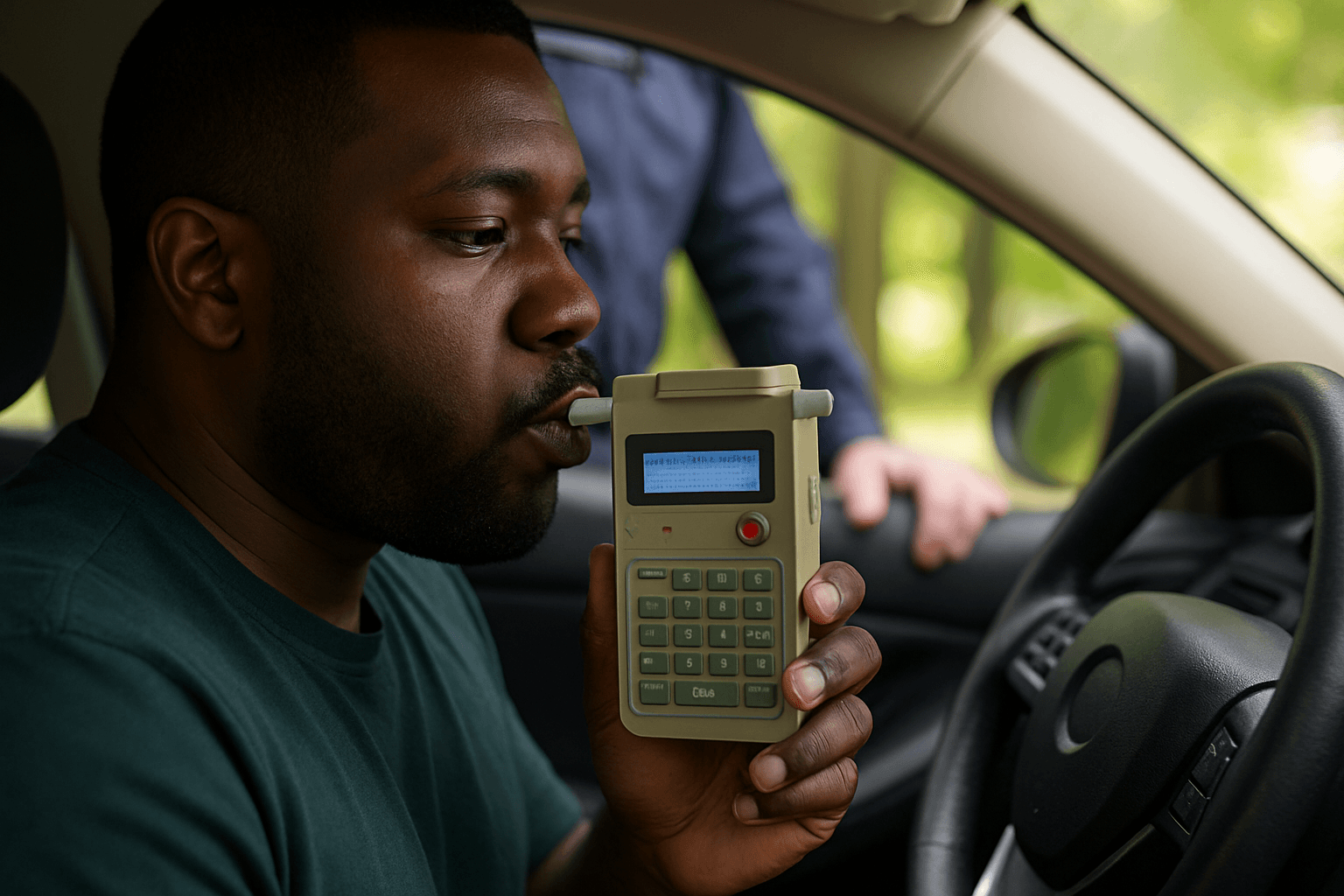
Tennessee statute divides DWLS charges into three tiers. If your original suspension was for DUI, implied consent refusal, or vehicular homicide, DWLS becomes a Class A misdemeanor under T.C.A. § 55-50-504(b) with mandatory minimum jail time—typically 2-11 months and 29 days, with judges required to impose at least 48 consecutive hours. Probation is not an option for DUI-related DWLS on first offense in most counties.
If your suspension was for points, unpaid tickets, insurance lapse, or failure to appear, DWLS becomes a Class B misdemeanor under T.C.A. § 55-50-504(a). First-offense penalties allow probation, but you still face up to 6 months jail, $500 maximum fine, and a permanent criminal record. The kicker: insurance carriers don't tier DWLS by statute section. Both Class A and Class B DWLS convictions trigger the same underwriting surcharge and SR-22 extension, even though your sentencing exposure was completely different.
Tennessee courts sentence DWLS by original cause, but carriers price all DWLS convictions identically—your Class B misdemeanor carries the same premium spike as someone else's Class A mandatory jail charge.
SR-22 Filing Period Extends 1-2 Years After DWLS

If your original suspension was DUI-related, you were already facing 3 years of SR-22 under Tennessee's standard DUI reinstatement rules. DWLS conviction extends that period by an additional 1-2 years depending on county prosecutor discretion and plea terms—most drivers end up filing SR-22 for 4-5 years total. If your original suspension was for lapse or points and didn't require SR-22 initially, the DWLS conviction activates the requirement retroactively. You now file SR-22 for 3 years from the DWLS conviction date.
The filing fee itself is small—$25-$50 one-time charge paid to the carrier issuing the certificate. The cost driver is the annual premium increase SR-22 status triggers. Tennessee carriers classify SR-22 filers as high-risk, and DWLS compounds that classification. Expect $1,200-$2,400 annual premium increases over what a non-SR-22 driver with a clean record would pay. That's $100-$200 per month in additional cost, maintained for the entire 3-5 year filing period. Dropping coverage or letting the policy lapse during that window triggers automatic suspension and restarts your timeline from zero.
Related Articles




Tennessee Hardship License Eligibility Closes After DWLS
Tennessee's Restricted License program—the state's hardship equivalent—is court-issued, not administratively granted by the Department of Safety. If your original suspension qualified for restricted license consideration, DWLS conviction typically forecloses that option. Judges have discretion under T.C.A. § 55-50-502 to grant restricted driving privileges, but county practice varies widely and most prosecutors oppose restricted licenses after DWLS as a matter of policy.
If you were driving on an existing restricted license when you were charged with DWLS, that restricted license is now void. Courts interpret any driving outside the hours or routes specified in the original court order as DWLS, even if you believed you were complying. Tennessee does not recognize good-faith mistakes when route restrictions are violated. Your restricted license revocation is immediate upon arrest, and reinstatement after DWLS conviction requires serving the full new suspension period before petitioning again.
For drivers whose original suspension was DUI-related, restricted license after DWLS also requires ignition interlock device installation for the entire restricted period under T.C.A. § 55-10-412. The IID requirement was not negotiable before DWLS; it remains mandatory after. Installation costs $75-$150, monthly monitoring fees run $60-$100, and removal at the end of the restricted period costs another $50-$75. Most Tennessee drivers facing DWLS after DUI find the cost and procedural complexity of restricted license pursuit outweighs the benefit—public transit, rideshare, or informal arrangements become the more practical short-term solution while serving the suspension.
Tennessee DUI-DWLS Mandatory Jail
48-72 hours
Class A misdemeanor DWLS after DUI-related suspension requires judges to impose at least 48 consecutive hours in county jail under T.C.A. § 55-50-504(b). Many counties apply 72-hour minimums as local practice. Probation is not available for first offense in most jurisdictions.
T.C.A. § 55-50-504(b)
Insurance Carriers Price DWLS Heavier Than Original Cause
Tennessee drivers consistently underestimate how severely carriers react to DWLS convictions. The industry treats DWLS as a judgment signal separate from the violation that caused your original suspension. You demonstrated willingness to drive illegally after the state explicitly forbade it—a behavioral flag carriers weigh more heavily than the underlying offense itself.
If your original suspension was for insurance lapse or points accumulation, your premium increase from the suspension alone might have been 20-40%. Adding DWLS conviction typically doubles that—expect 80-120% increases over pre-suspension rates. If your original suspension was DUI, you were already facing 100-150% increases. DWLS stacks another 50-80% on top, pushing total increases to 150-200% over baseline. Some non-standard carriers in Tennessee decline DWLS applicants entirely for the first 12 months post-conviction, forcing drivers into state assigned-risk pools or residual market programs where premiums exceed $400/month for minimum liability.
Tennessee DWLS Reinstatement Path Requires Criminal Resolution First
You cannot begin the license reinstatement process while the DWLS criminal charge is pending. Tennessee courts must resolve your case—guilty plea, trial conviction, or dismissal—before the Department of Safety will process reinstatement applications. If you plead guilty or are convicted, the court imposes a new suspension period that stacks on top of your original suspension. That new period typically runs 30 days to 6 months for Class B misdemeanor DWLS, and 90 days to 1 year for Class A misdemeanor DWLS after DUI.
Once the criminal case closes and you serve the new suspension period, reinstatement requires: proof of completion for any court-ordered alcohol or drug treatment programs from your original DUI conviction if applicable, SR-22 certificate filed with a Tennessee-licensed carrier, payment of the $65 base reinstatement fee to the Department of Safety, payment of all outstanding court fines and costs from both the original suspension cause and the DWLS conviction, and in DUI-DWLS cases, proof of ignition interlock installation if restricted license is sought. The timeline from DWLS arrest to full reinstatement typically spans 6-18 months depending on case complexity and county court backlog. Defense counsel can sometimes negotiate reduced suspension periods or probation in exchange for early guilty pleas, but those outcomes are judge-dependent and unavailable in jurisdictions with mandatory minimum policies.