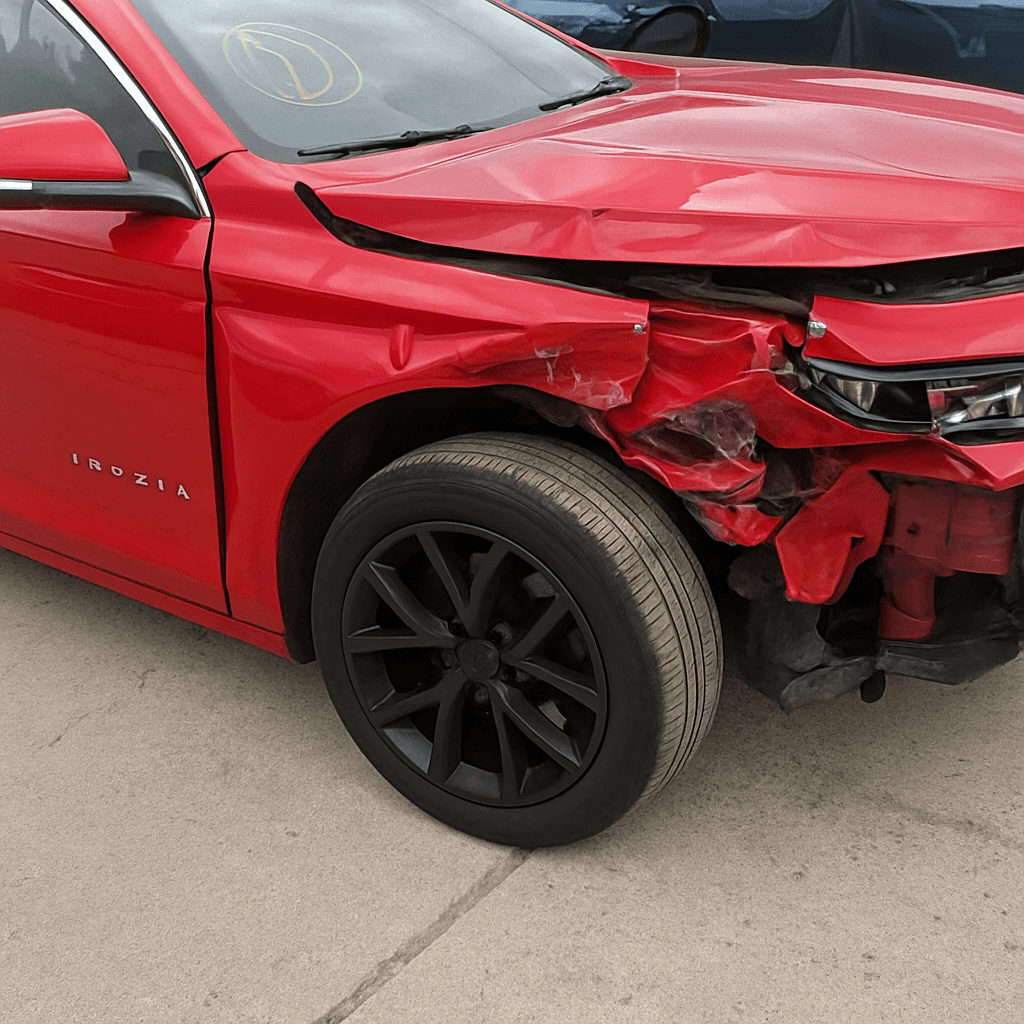
You were driving a borrowed car on a suspended license and got into an accident. Now you're facing a DWLS charge and the vehicle owner's insurer is denying the claim.
Why the Vehicle Owner's Insurance May Not Cover You
Auto insurance policies follow the vehicle first, the driver second. When you drive someone else's car with their permission, their liability coverage typically extends to you as a permissive user. But nearly every personal auto policy in the United States includes an unlicensed driver exclusion: coverage does not apply if the person operating the vehicle does not hold a valid driver's license at the time of the accident.
A suspended license counts as invalid for insurance purposes. The vehicle owner's policy will deny the claim even if they gave you explicit permission to drive. The exclusion appears in the policy's definitions section and applies the moment law enforcement confirms your license status.
This creates dual exposure. The vehicle owner faces potential personal liability for damages their vehicle caused because their insurance won't cover it. You face personal liability as the unlicensed operator. Neither party has coverage.
Personal Liability When No Policy Covers the Loss
When no insurance applies, liability follows negligence. If you caused the accident, you are personally liable for property damage, medical bills, and injury claims filed by the other party. The vehicle owner may also face liability under the negligent entrustment doctrine: they allowed an unlicensed driver to operate their vehicle, which courts in most states consider negligent per se.
The injured party's attorney will pursue both you and the vehicle owner simultaneously. They will file claims against both parties, argue joint and several liability, and seek judgment against whoever has attachable assets. If you have no assets, they will focus collection efforts on the vehicle owner. If the vehicle owner has no coverage and limited assets, they may file wage garnishment or property liens.
Your DWLS criminal charge makes settlement harder. Prosecutors and civil attorneys treat driving on a suspended license as evidence of reckless disregard. The fact that you were operating a vehicle you did not own compounds this: it demonstrates access to transportation alternatives you chose to ignore.
Compare car insurance rates in your state
Get quotes from licensed carriers — no obligation, no spam, results in minutes.
Get Your Free Quote✓ No Obligation Required✓ Licensed Carriers Only✓ Available Nationwide✓ Free to Compare
Whether Your Own SR-22 Policy Would Have Applied
If you had an active SR-22 non-owner policy at the time of the accident, it would have provided secondary liability coverage while driving a borrowed vehicle. Non-owner SR-22 policies exist for exactly this scenario: drivers who do not own a vehicle but need to maintain liability coverage to satisfy state filing requirements or reinstate a suspended license.
But most drivers caught for DWLS do not carry active coverage. You cannot legally file SR-22 while your license is suspended in most states. The filing requirement typically attaches at reinstatement, not during the suspension period. Even if you had filed SR-22 before the suspension, most drivers cancel the policy once they lose driving privileges because they assume they will not be driving.
If you had maintained an active non-owner policy during suspension and drove anyway, the policy might still deny the claim. Driving on a suspended license violates the policy's terms. Insurers reserve the right to deny claims when the driver is engaged in illegal activity at the time of loss. Whether they exercise that right depends on state law and the specific exclusion language in the policy.
How DWLS Extends Your SR-22 Filing Requirement
Most states require SR-22 filing after a DWLS conviction even when the original suspension cause did not trigger a filing requirement. If your license was suspended for unpaid tickets or failure to appear, you likely did not need SR-22 to reinstate. But once you add a DWLS conviction, the filing requirement now applies.
The filing period typically runs 3 years from the date your license is reinstated, not from the date of conviction. If you cannot reinstate for 2 years due to stacked suspension periods, the SR-22 clock does not start until reinstatement occurs. This extends the total compliance timeline significantly.
SR-22 premiums for DWLS convictions are higher than for the underlying suspension cause. Insurers treat driving on a suspended license as a major violation equivalent to DUI for underwriting purposes. Expect premiums in the range of $140–$210 per month for minimum liability coverage with an SR-22 endorsement after DWLS. Non-owner policies cost less than standard policies but still reflect the severity of the violation.
What Happens to the Vehicle Owner's Rates and Coverage
The vehicle owner will see consequences even if they were not present during the accident. Their insurer will classify the claim as a permissive user accident with an unlicensed driver. Even though the claim was denied, the incident appears in claims history databases. Insurers review CLUE reports and ISO claim records during renewal.
At renewal, the carrier may non-renew the policy or reclassify the vehicle owner into a higher-risk tier. Some insurers require the vehicle owner to exclude you as a driver going forward. If you reside in the same household, they may require a named driver exclusion in writing, which prevents you from ever operating their vehicle again under that policy.
The vehicle owner may also face personal financial liability if they cannot afford to satisfy a judgment out of pocket. If the injured party wins a lawsuit and neither you nor the vehicle owner can pay, the court may order wage garnishment, place liens on real property, or seize assets. The vehicle owner's decision to lend you the car carries long-term financial consequences.
Steps to Take After a DWLS Accident in a Borrowed Vehicle
Retain a criminal defense attorney immediately. DWLS charges escalate to felony level in many states when an accident occurs during the offense. The accident aggravates the base charge. You face potential jail time, extended suspension, and felony conviction depending on state law and whether injuries occurred.
Do not discuss fault or license status with the other party's insurance adjuster. Anything you say will be used to deny coverage and establish liability. Refer all inquiries to your attorney. Do not provide a recorded statement without counsel present.
Notify the vehicle owner's insurer in writing that you were operating the vehicle at the time of the accident. They will deny the claim, but you need the denial in writing for your defense. The denial establishes that no coverage applies and may support arguments about financial hardship during sentencing.
Prepare for civil liability. The injured party will file a personal injury or property damage claim. If you have no assets, they will focus on the vehicle owner. If you have attachable income or property, expect a lawsuit. Consult a civil attorney separately from your criminal defense attorney. The two cases require different strategies.
Insurance Options Moving Forward After DWLS Conviction
Once your license is reinstated, you will need SR-22 insurance for your DWLS conviction. Standard carriers typically decline drivers with recent DWLS convictions. You will need to work with non-standard or high-risk carriers that specialize in post-conviction coverage.
If you do not own a vehicle, file non-owner SR-22 coverage. This satisfies the state's SR-22 filing requirement and provides liability coverage when you drive borrowed vehicles in the future. Premiums are lower than standard policies but still reflect the DWLS violation. Expect to maintain this filing for 3 years in most states.
If you plan to purchase a vehicle after reinstatement, expect higher premiums and limited coverage options. Carriers will require liability-only coverage with SR-22 endorsement. Comprehensive and collision coverage may be unavailable or prohibitively expensive. Full coverage is rarely cost-effective for drivers with recent DWLS convictions unless the vehicle is financed and the lender requires it.