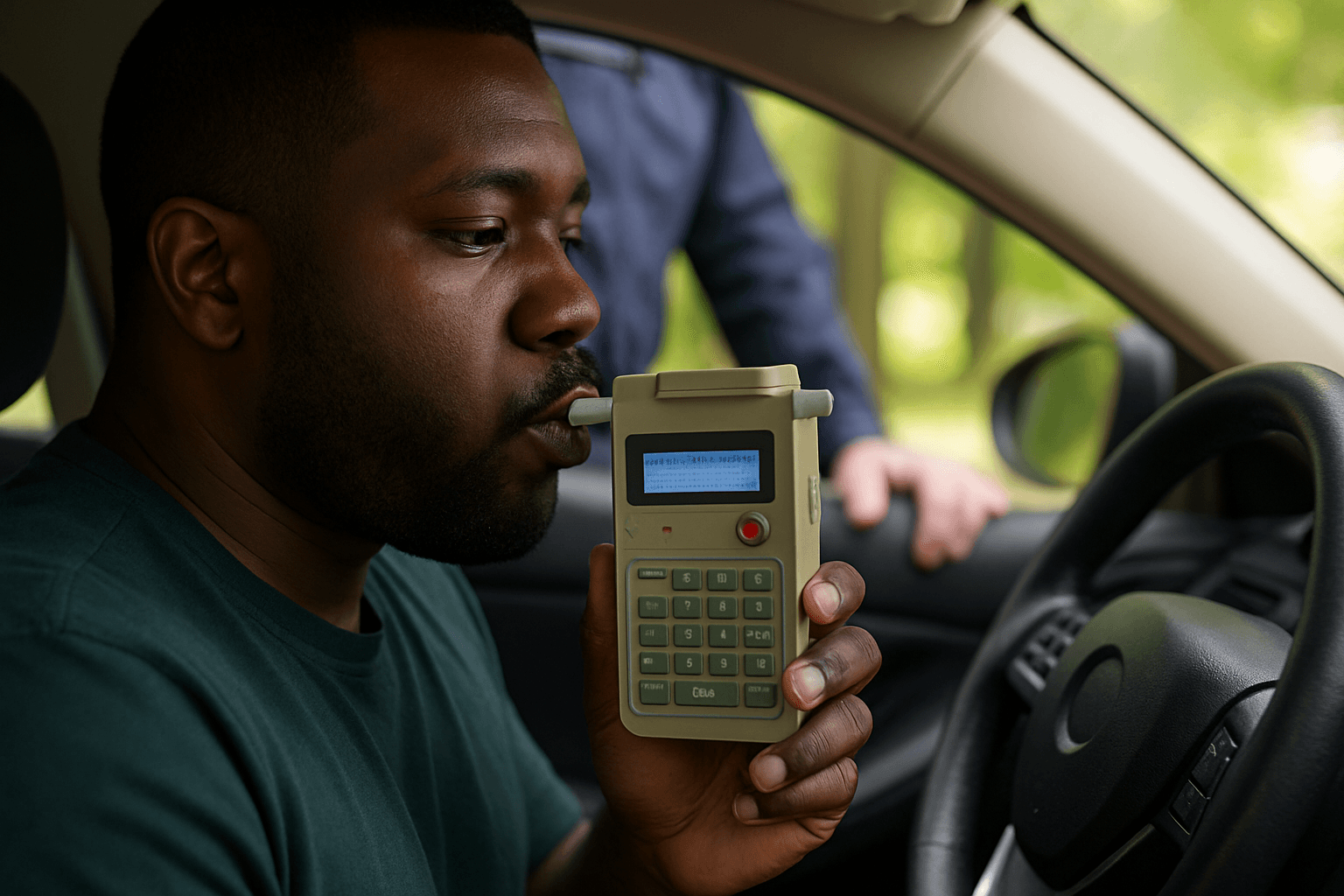
Delaware's DWLS charge structure separates first-offense misdemeanors from felony habitual-offender escalation. Most drivers miss that their original suspension cause determines whether jail is mandatory and whether a Conditional License is still available after conviction.
Delaware Separates DWLS Into Two Criminal Tiers
Delaware prosecutes Driving While Suspended under 21 Del. C. § 2756, which creates two tiers based on how you lost your license. If your original suspension was for DUI, refusal of a chemical test, or vehicular homicide, your DWLS charge carries mandatory minimum jail time of 30 days for a first offense. If your suspension was for any other reason—unpaid tickets, insurance lapse, failure to appear, points accumulation, or unpaid child support—your first DWLS is a standard misdemeanor with no mandatory jail minimum, though judges may impose up to 30 days.
Most drivers assume all DWLS charges carry the same penalty. They don't. The statute differentiates explicitly because the state treats driving after a DUI suspension as a public safety escalation, not just a procedural violation. If you were stopped for DWLS and your original suspension was points or unpaid fines, the prosecutor likely filed the non-DUI tier charge, which opens the door to probation, community service, or suspended sentence outcomes without jail.
The court will verify your suspension status with DMV records at arraignment. If your suspension was DUI-related and the prosecutor filed the standard DWLS charge by mistake, the charge tier can be corrected upward by the state before trial. Defense counsel matters here: a lawyer familiar with Delaware's DWLS bifurcation can argue mitigation factors that judges weigh when jail is discretionary, but those arguments carry no weight when the statute mandates the minimum.
How Delaware Stacks Additional Suspension Time After DWLS
A DWLS conviction in Delaware adds suspension time on top of your original period. Delaware DMV applies the new suspension consecutively, not concurrently, which means your original suspension must finish before the DWLS suspension period begins. For a first DWLS conviction, the added suspension is typically 6 months, though the judge may impose up to 1 year.
If your original suspension was for DUI, the new DWLS suspension runs after your DUI suspension ends, which may also include an Ignition Interlock Program (IIP) participation requirement. You cannot begin IIP until all suspension periods are served. If your original suspension was for unpaid fines or insurance lapse and you had 60 days left, the DWLS conviction adds 6 months starting the day after those 60 days expire.
The Delaware Division of Motor Vehicles does not reduce or merge the periods. Judges do not have authority to modify DMV suspension duration—they control only the criminal sentence. The administrative suspension is a separate process. Drivers who plead guilty without understanding the stacking effect often discover 6 months later that their reinstatement eligibility was pushed further out. Ask the court clerk for a written suspension calculation or request your attorney obtain it from the prosecutor before accepting any plea offer.
Compare car insurance rates in your state
Get quotes from licensed carriers — no obligation, no spam, results in minutes.
Get Your Free Quote✓ No Obligation Required✓ Licensed Carriers Only✓ Available Nationwide✓ Free to Compare
Whether a Conditional License Remains Available After DWLS
Delaware offers a Conditional License for drivers who meet employment, medical, or educational hardship criteria during suspension. The program is administered through the DMV, not the courts, and requires proof of essential need plus an SR-22 insurance certificate. If your original suspension was for DUI, a Conditional License is available once you complete the IIP enrollment process, which includes installation of an ignition interlock device.
A DWLS conviction complicates Conditional License eligibility significantly. Delaware DMV policy treats DWLS as a red flag indicating the driver violated trust during a prior suspension. If you apply for a Conditional License after a DWLS conviction, the DMV will evaluate whether the DWLS occurred while you were already participating in a Conditional License program. If yes, your application for renewal or reinstatement will almost certainly be denied. If the DWLS occurred before you applied for a Conditional License, the DMV may still approve your application, but processing takes longer and additional documentation requirements apply.
For DUI-related DWLS cases, the ignition interlock requirement remains mandatory even if your Conditional License application is denied. The IIP period may also be extended by 6 to 12 months depending on whether the DWLS involved another alcohol-related incident. Most drivers in this situation consult a DUI attorney before applying for the Conditional License, because incorrect application timing can lock you out of the program entirely until your full suspension period expires.
How SR-22 Filing Duration Extends After a DWLS Conviction
Delaware requires SR-22 financial responsibility filing for most DWLS cases, even when your original suspension did not require it. The filing certifies continuous liability coverage and is submitted by your insurer directly to the DMV. If your original suspension was for unpaid fines or FTA and did not require SR-22, the DWLS conviction triggers a new 3-year SR-22 filing obligation starting the date of conviction.
If your original suspension already required SR-22—for example, DUI or uninsured driving—the DWLS conviction extends the filing period. A first-offense DUI in Delaware typically requires 3 years of SR-22 filing. A DWLS on top of that DUI adds another 2 to 3 years, bringing total filing duration to 5 or 6 years depending on the judge's order and DMV policy at the time of reinstatement. The periods do not overlap; they stack.
SR-22 filing costs vary by carrier. The one-time filing fee ranges from $15 to $50, but the real cost is premium impact. Delaware carriers treat DWLS as a severe underwriting flag because it signals intentional noncompliance after an initial suspension. Expect your liability premium to increase 60% to 100% compared to a clean-record driver in your county. SR-22 after DWLS conviction policies are available through non-standard carriers, but you will pay higher rates for the full filing period. If your SR-22 lapses for any reason—missed payment, policy cancellation, switching carriers without filing continuity—Delaware DMV suspends your license again immediately and you start the SR-22 clock over.
Why Insurance Carriers Treat DWLS More Severely Than the Original Cause
Insurance underwriters view DWLS as a behavioral flag distinct from the underlying suspension cause. A DUI indicates impaired judgment in one moment. A DWLS conviction indicates the driver made a second decision to operate a vehicle after the state revoked the privilege to do so. Carriers interpret that as higher ongoing risk, not just elevated risk at the time of the original violation.
Delaware's insurance market reflects this perception. If your original suspension was for unpaid tickets and you were later convicted of DWLS, your premium increase will be steeper than a driver who simply paid the tickets and reinstated without incident. Standard-tier carriers like State Farm and Allstate often decline to write new policies for drivers with DWLS convictions within the past 3 years. Non-standard carriers like Geico, Progressive, Dairyland, and The General will write DWLS policies, but you pay non-standard rates even if your driving record is otherwise clean.
The premium penalty lasts the full SR-22 filing period. Delaware law allows carriers to surcharge for the conviction for up to 5 years from the date of conviction, though most carriers reduce the surcharge after 3 years if no additional violations occur. If you add a second DWLS conviction during the surcharge period, you move into assigned-risk territory, where the Delaware Automobile Insurance Plan places you with a carrier at state-mandated elevated rates. Avoiding that outcome requires maintaining continuous SR-22 coverage without lapses and completing your full suspension and filing period without incident.
Criminal Defense Options and When Counsel Reduces Sentencing Risk
Delaware DWLS cases are criminal prosecutions, not administrative DMV hearings. You face a judge, a prosecutor, and a potential jail sentence. Most first-time DWLS defendants who appear without counsel receive the standard plea offer: guilty plea in exchange for probation and the minimum added suspension period. If your DWLS was DUI-related, that plea offer includes the mandatory 30-day jail minimum—there is no avoiding it without a trial outcome or a charge reduction.
Defense attorneys in Delaware frequently negotiate DWLS charges down to Driving Without a Valid License or other lesser violations when mitigating circumstances exist. Common mitigation factors include emergency medical transport, lack of knowledge that the suspension had taken effect, or evidence that you were in the process of reinstating when stopped. These defenses rarely succeed for DUI-related DWLS cases because the state's mandatory-minimum statute leaves judges no discretion. They work better for non-DUI DWLS charges where jail is discretionary.
If your DWLS is a second or third offense, the charge escalates to a felony under Delaware's habitual-offender provisions. Felony DWLS carries up to 2 years in prison and permanent license revocation in some cases. Hiring a defense attorney is not optional at the felony tier—you need someone who can argue for charge reduction, deferred adjudication, or pre-trial diversion programs that keep a felony conviction off your record. The cost of Delaware criminal defense for DWLS cases ranges from $1,500 to $5,000 depending on case complexity and whether the matter goes to trial. The insurance and employment consequences of a felony conviction far exceed that cost.
What the Full Reinstatement Path Looks Like After DWLS
Reinstatement after a Delaware DWLS conviction requires resolving three separate tracks: the criminal case, the original suspension cause, and the DWLS administrative suspension. Each has its own requirements and timeline. You cannot reinstate until all three are satisfied.
First, close the criminal case. That means completing probation, paying court fines and costs, finishing any community service hours ordered, and satisfying restitution if the DWLS involved an accident. Delaware courts will not issue a completion certificate until every term is met. That certificate goes to the DMV as proof the criminal matter is resolved.
Second, satisfy the original suspension cause. If your suspension was for unpaid tickets, pay them. If it was for insurance lapse, show continuous coverage and file SR-22. If it was for DUI, complete the IIP requirement, serve the suspension period, and attend mandatory alcohol education classes. The original cause must be fully resolved before the DMV will consider your DWLS suspension served.
Third, serve the DWLS suspension period. This runs consecutively after the original suspension ends. Once it expires, pay the $25 reinstatement fee at the DMV. If SR-22 filing is required—and it almost always is after DWLS—your SR-22 certificate must be on file with the DMV before they will process reinstatement. Bring your SR-22 certificate, proof of completion from the court, and payment for the reinstatement fee to any Delaware DMV office. Processing is same-day if all documents are in order.