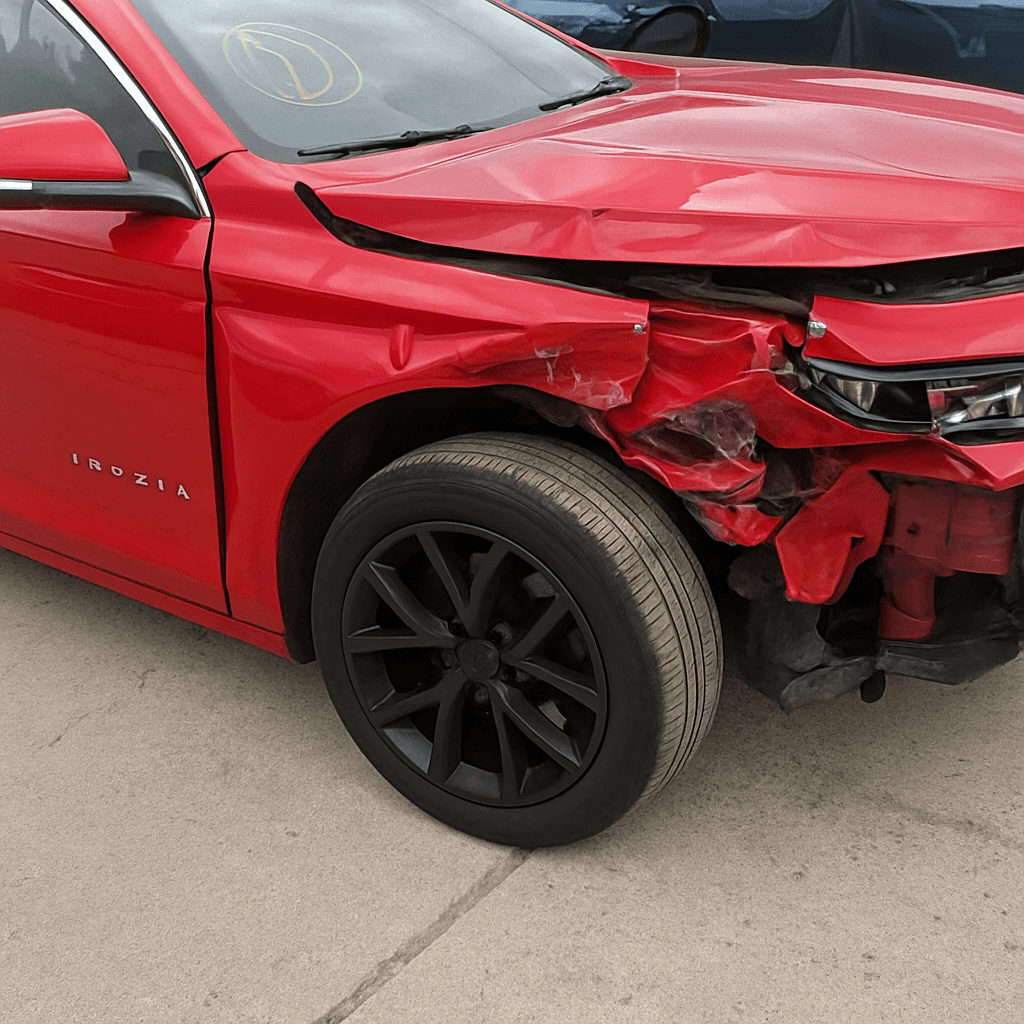
Rental agreements exclude coverage for unlicensed drivers. When law enforcement runs your license at the scene, the rental company is notified within hours—and your liability exposure becomes immediate.
Why Rental Companies Flag DWLS Incidents Faster Than Private Vehicle Stops
Rental companies receive automated notifications when their vehicles are involved in traffic stops where the driver's license status is flagged. This happens through electronic citation systems and law enforcement databases that cross-reference the vehicle registration to the rental fleet. You won't finish the ride home before the rental company knows.
The rental agreement you signed includes a clause stating coverage applies only to authorized drivers with valid licenses. The moment law enforcement documents your suspended status in the incident report, that clause activates. The rental company will typically send a demand letter within 3–7 business days requesting return of the vehicle and payment for damages, unpaid rental days, and administrative fees.
This is distinct from a DWLS stop in your own vehicle. In a private vehicle, you face criminal and administrative penalties, but no third party is pursuing immediate financial recovery for breach of contract. The rental company operates as both a victim of contract fraud and a potential plaintiff for damages you caused while operating their property without authorization.
What Liability Coverage Actually Means When Your License Status Voids the Agreement
Most drivers assume liability coverage through the rental agreement or their personal auto policy protects them if they cause an accident. That assumption fails when the rental contract is voided. Rental agreements specify that coverage—both the liability protection included in the base rental rate and any supplemental insurance you purchased—applies only when the driver meets eligibility requirements. A suspended license makes you ineligible retroactively from the moment you signed.
If you cause property damage or injury while driving the rental on a suspended license, the rental company's liability policy will not defend you. Your personal auto policy will also likely deny the claim because you were operating a vehicle illegally. This leaves you personally liable for the full amount of damages: vehicle repair or replacement, medical bills for injured parties, legal defense costs if you're sued, and the rental company's loss-of-use claim while the vehicle is out of service.
The exposure is immediate and cumulative. A fender-bender that would normally cost you a deductible becomes a $15,000–$40,000 personal liability depending on the other party's vehicle and injury claims. If the rental vehicle is totaled, you're liable for its replacement value plus the rental company's administrative and remarketing fees. Most drivers do not have liquid assets to cover this exposure, which is why rental companies pursue aggressive collection and often file civil suits within 60–90 days.
Compare car insurance rates in your state
Get quotes from licensed carriers — no obligation, no spam, results in minutes.
Get Your Free Quote✓ No Obligation Required✓ Licensed Carriers Only✓ Available Nationwide✓ Free to Compare
How Rental Companies Pursue Recovery and What Defenses Fail
Rental companies use specialized collections firms that handle DWLS contract violations. These firms send an initial demand letter itemizing the vehicle damage, unpaid rental charges, administrative fees, and loss-of-use costs. The letter typically includes a settlement offer with a 10–15 day deadline. If you don't respond or negotiate, the firm files a civil complaint in the county where the rental originated or where the incident occurred.
Common defenses that fail: claiming you didn't know your license was suspended rarely works unless you can document that the suspension notice was sent to an outdated address and you took affirmative steps to verify your status before renting. Arguing the rental company should have checked your license status at the counter also fails—most rental agreements place the burden on the renter to disclose any disqualifying conditions. Claiming the vehicle damage was preexisting fails unless you documented it on the pre-rental inspection form with photos and a counter agent's signature.
What occasionally reduces exposure: demonstrating the suspension was administratively incorrect and providing proof of reinstatement or court reversal. Negotiating a settlement before the civil suit is filed, particularly if you can show financial hardship and propose a payment plan. Hiring an attorney early if the exposure exceeds $20,000—defense costs are often lower than the judgment plus collection fees the rental company will add if they win in court.
The DWLS Criminal Charge and How It Compounds the Civil Liability
The DWLS charge you're facing in criminal court operates on a separate timeline from the rental company's civil recovery. Criminal penalties for driving on a suspended license typically include fines ranging from $500 to $2,500 for a first offense, possible jail time of 10–90 days depending on the state and whether the suspension was for a serious violation like DUI, and extension of the suspension period by an additional 30–180 days. The conviction also triggers mandatory SR-22 filing in most states, even if your original suspension cause didn't require it.
The criminal case creates evidence the rental company will use in civil court. The police report documenting your suspended status, your guilty plea or conviction, and any admissions you made at the scene all become exhibits in the rental company's breach-of-contract case. Defending the criminal charge by claiming you didn't know about the suspension weakens if you later try to negotiate civil liability—the rental company will argue you had actual knowledge and proceeded anyway.
This is why handling both cases with coordinated legal strategy matters. If you're facing misdemeanor DWLS, consult a criminal defense attorney before responding to the rental company's demand. If the exposure is high enough, some attorneys handle both the criminal defense and civil negotiation as a package. The goal is to minimize the criminal record impact while limiting personal financial liability to a manageable settlement amount.
What Happens to Your Insurance Premiums After a DWLS Rental Incident
Insurance carriers treat DWLS convictions as a more severe underwriting flag than the original violation that caused your suspension. When you apply for SR-22 coverage after a DWLS conviction, carriers price the risk based on the compound offense: the original cause plus the willful decision to drive illegally. Premium increases are typically 80–150% above what you would have paid for SR-22 coverage triggered by the original suspension alone.
If the rental incident involved an accident or property damage, the underwriting impact is worse. Carriers see DWLS plus an at-fault accident as a near-certain indicator of future claims. Many standard and preferred carriers will decline to quote entirely. You'll be routed to non-standard or high-risk carriers, where monthly premiums for state-minimum liability plus SR-22 filing commonly range from $180 to $320 depending on your state, age, and prior driving record.
The SR-22 filing period after a DWLS conviction is typically extended by 1–2 years beyond what the original violation required. If your initial suspension was for unpaid tickets and would have required 1 year of SR-22, the DWLS conviction often extends that to 3 years. This means you're paying elevated premiums for a longer period, and any lapse in coverage during that time resets the clock and triggers a new suspension.
How to Handle the Immediate Steps After Being Caught
Return the rental vehicle immediately if it's still in your possession. Continuing to drive it after the stop is documented adds to your criminal exposure and gives the rental company grounds to report it as unauthorized use or theft. Contact the rental company's customer service line, explain the situation honestly, and ask for instructions on returning the vehicle. Do not negotiate liability or admit fault regarding damages at this stage—your goal is simply to end your possession of the vehicle.
Document everything related to the incident: the police report number, the officer's name and badge number, photos of the rental vehicle showing its condition at return, the mileage and fuel level, and a timestamped record of when and where you returned it. If the rental company claims damage you didn't cause, these records are your only defense. Request a copy of the final rental agreement and the damage assessment report in writing.
Hire a criminal defense attorney if the DWLS charge is a misdemeanor or higher. Most jurisdictions offer pretrial diversion or reduced sentencing for first-time DWLS offenders who demonstrate they're addressing the underlying suspension cause. Your attorney can negotiate a plea that minimizes jail time and avoids a conviction that permanently impacts your driving record. Do not wait until your court date to seek counsel—early intervention produces better outcomes and often reduces the total cost of resolving both the criminal and civil cases.